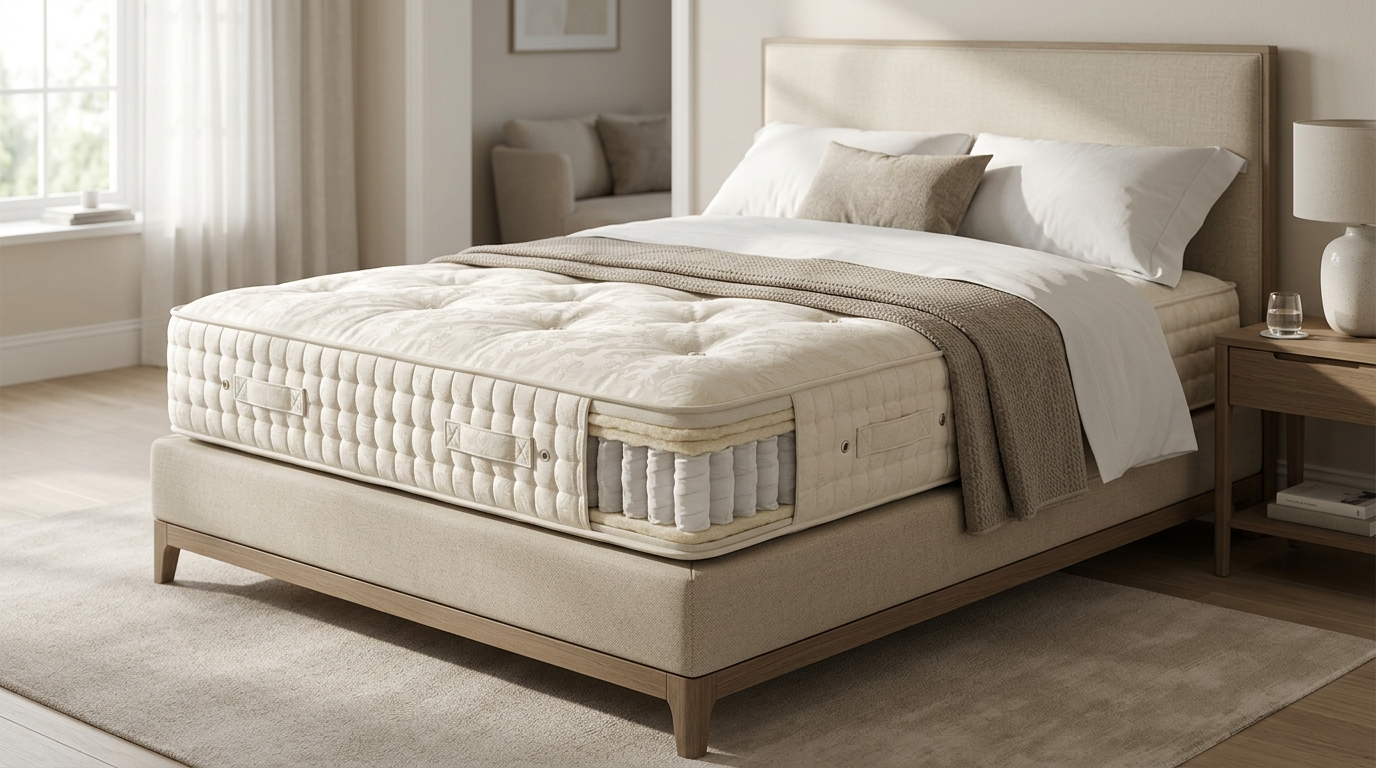

Every year around World Allergy Day, my inbox fills up with messages from miserable sleepers asking the same desperate question: Why am I waking up with a stuffed-up nose, itchy eyes, and a scratchy throat even when the outdoor pollen count is zero? I know that exact feeling of exhaustion. For years, I blamed the changing seasons and outdoor air quality for my morning congestion. But the truth was much closer to home. Honestly, I made this mistake too—I completely ignored my bed. We spend roughly one-third of our lives tucked away in our bedrooms, yet most people ignore this part of their home environment when dealing with chronic allergies. If you are sleeping on synthetic foam, you are likely resting your head directly on a massive allergen trap. Switching to a high-quality natural mattress and pillows completely transformed my respiratory health and sleep quality, and it is a change more people need to consider in 2026.
What is an Allergy-Free Sleep Environment?
An allergy-free sleep environment is a bedroom specifically optimized to minimize exposure to microscopic triggers like dust mites, mold spores, animal dander, and chemical off-gassing. Achieving this requires replacing moisture-trapping synthetic materials with self-ventilating, organic alternatives that naturally resist pest infestation and bacterial growth, keeping your airways clear through the night.
By prioritizing breathable materials, you drastically lower the humidity levels within your bedding. Lower humidity means dust mites cannot breed, mold cannot take root, and your body can successfully regulate its temperature for deep, uninterrupted sleep.
Key Takeaways
- Synthetic mattresses and pillows retain body heat and moisture, creating a perfect breeding ground for dust mites and toxic mold.
- High-quality natural mattress and pillows leverage materials like organic latex, wool, and cotton to naturally repel common household allergens.
- It is the protein in dust mite waste, not the mites themselves, that triggers severe morning allergy and asthma flare-ups.
- Simple shifts like maintaining 40-50% indoor humidity and letting your bed air out every morning provide massive relief.
- Investing in premium, sustainably sourced bedding protects both your long-term respiratory health and the planet.
Table of Contents
- Why Your Bedroom Matters for Allergy Sufferers
- The Hidden Problem with Synthetic Bedding
- The Natural Difference: Materials That Protect Your Sleep
- Deep Dive: Natural Latex
- The Power of Pure Wool
- Organic Cotton and Coir Fibres
- Why Natural Pillows Matter
- Better Sleep Starts with Better Air Quality
- Natural vs. Synthetic Bedding Comparison
- Pros and Cons of Natural Sleep Systems
- Tips for an Allergy-Friendly Bedroom
- Looking After Your Natural Mattress
- Why Quality and Craftsmanship Matter
- A Sustainable Choice for Your Home
- Why Choose Bennetts Bedrooms Portugal?
- Frequently Asked Questions
Why Your Bedroom Matters for Allergy Sufferers
Your bedroom should be the ultimate sanctuary of health and comfort in your home. Instead, for many of us, it functions as an allergen incubator. Think about it: you lay down for seven to eight hours a night, shedding millions of microscopic skin cells while breathing moisture and radiating body heat directly into your bedding. This exact combination of warmth, high humidity, and abundant food creates a utopian habitat for microscopic dust mites.
What most people get wrong is thinking that the dust mites themselves cause the allergic reaction. They do not bite or sting. The actual culprit is a specific protein found within their fecal waste products and decaying bodies. When you move around in bed, these microscopic particles become airborne, floating directly into your nasal passages and lungs. This continuous exposure during the night is what triggers chronic morning issues like sneezing, blocked or runny noses, violently itchy eyes, coughing, wheezing, and painful eczema flare-ups. If you are already managing asthma, a dust-mite-infested mattress will actively make your life miserable.

The Hidden Problem with Synthetic Bedding
Conventional mattresses and pillows are overwhelmingly made using petroleum-based synthetic foams, polyester fibres, and chemical adhesives. When you first lie down on a modern memory foam mattress, it might feel comfortably body-hugging. But after a few weeks, the design flaws become obvious. Synthetic foams behave like giant sponges for ambient heat and moisture. They lack natural ventilation channels, meaning the sweat and heat your body produces have absolutely nowhere to go except straight down into the core of the mattress.
This trapped dampness creates a prime environment for dust mites and toxic mold spores to multiply unchecked. Furthermore, synthetic bedding often brings chemical baggage. Many conventional mattresses undergo heavy chemical treatments to meet fire safety standards, using harsh flame retardants and synthetic mixtures that slowly emit Volatile Organic Compounds, or VOCs. This chemical off-gassing produces that distinct, unpleasant new-mattress chemical smell, which can cause real respiratory irritation, headaches, and allergy symptoms all on its own.
Also read: Pocket Sprung vs Memory Foam Mattress: Which One Is Actually Better for Your Sleep in 2026?
The Natural Difference: Materials That Protect Your Sleep
In my experience, moving away from chemical-laden synthetics and back toward what nature perfected over centuries is the single best choice you can make for your respiratory health. Premium natural bedding relies on raw, inherently resilient materials that inherently know how to handle moisture and heat. Instead of trapping humidity, a natural mattress actively pushes it away, keeping the entire sleeping surface dry and inhospitable to pests.
When you look inside a high-quality natural mattress, you will find a thoughtful combination of elements like organic latex, pure wool, long-staple cotton, horsehair, coconut fibre coir, and sustainable bamboo. These materials do not just sit there; they work dynamically as a system to ventilate the mattress, cradle your pressure points, and keep structural integrity intact for decades without sagging or breaking down.
Deep Dive: Natural Latex
Natural latex is entirely different from synthetic polyurethane foam. It is harvested as a milky sap directly from the Hevea brasiliensis, or rubber tree. What makes natural latex an absolute lifesaver for allergy sufferers is its inherent resistance to biological threats. It is naturally antimicrobial, antifungal, and completely unappealing to dust mites. They simply cannot thrive inside it.
From a structural standpoint, natural latex features an open-cell molecular design. Every move you make on the bed acts like a natural bellows, forcing stale air out and pulling fresh air in. This constant, passive airflow prevents heat retention entirely. I have seen this happen many times: hot sleepers swap their memory foam for natural latex and suddenly find themselves sleeping deeply through the night without waking up drenched in sweat. It provides an energetic, buoyant support that aligns your spine beautifully without that suffocating stuck-in-the-mud feeling.
The Power of Pure Wool
There is a massive, widespread misconception that wool is itchy, heavy, and hot. That might be true for a poorly made winter sweater, but inside a premium mattress, pure wool acts as nature's ultimate climate control system. Wool fibres possess a microscopic, spring-like crimp structure that creates millions of tiny insulating air pockets. This allows the material to effortlessly wick moisture away from your body long before it pools into liquid sweat.
By absorbing up to 30% of its own weight in moisture without ever feeling damp to the touch, wool rapidly lowers the humidity inside your mattress. Since dust mites fundamentally require a damp environment to survive and extract water from the air, wool single-handedly starves them of the hydration they need. It keeps you beautifully warm and cozy during crisp winter nights, yet remarkably cool, crisp, and dry during a scorching hot summer.
Organic Cotton and Coir Fibres
Organic cotton serves as the perfect, breathable skin for a healthy bed. Unlike synthetic polyester fabrics that trap heat against your skin, organic cotton allows air to pass through freely. Because it is grown without toxic pesticides or chemical defoliants, it is incredibly gentle on sensitive skin, entirely removing the risk of chemical-induced contact dermatitis or nocturnal rashes.
Beneath the soft cotton and wool layers, many high-end natural mattresses incorporate specialized materials like coconut coir or curled horsehair. Coconut coir is made from the tough, fibrous husks of coconuts, often bound with natural latex to create a springy, incredibly tough insulating pad. These organic fibrous layers provide exceptional, firm structural support while offering completely open pathways for air circulation, ensuring that moisture never gets trapped in the deep core of your bed.

Why Natural Pillows Matter
If you upgrade your mattress but keep an old, cheap synthetic pillow, you are completely undermining your efforts. Your pillow sits directly underneath your nose and mouth for approximately eight hours every single night. You are breathing in whatever lives inside that pillow. Synthetic polyester cluster-fill and memory foam pillows degrade quickly, accumulating shocking amounts of dead skin cells, stale saliva, and dust mite populations over time.
Opting for a high-quality natural mattress and pillows setup ensures full-body protection. A pillow filled with shredded natural latex, wool batting, or organic kapok fibres delivers superb cervical spine alignment and pressure relief without trapping heat or facial moisture. They naturally repel dust mites right at the source, ensuring that every breath you draw throughout the night is clean, cool, and completely free of irritating proteins.
Better Sleep Starts with Better Air Quality
The health of your respiratory system is completely dependent on the quality of the air circulating within your room. When your bed components breathe naturally, they stop working as an environmental pollutant source. By keeping internal humidity low, your mattress ceases to emit mold spores or chemical fumes into your immediate breathing zone.
This cleaner air allows your body to remain in deep, restorative REM and slow-wave sleep cycles longer, rather than constantly waking you up to cough, clear your throat, or rub your itchy eyes. Improved indoor air quality creates a profoundly healthier sleeping environment for everyone in your household—not just those with severe diagnosed medical allergies.
Natural vs. Synthetic Bedding Comparison
| Feature | Natural Bedding (Latex, Wool, Cotton) | Synthetic Bedding (Memory Foam, Polyester) |
| Dust Mite Resistance | Inherently high; materials naturally repel pests | Low; moisture retention invites colony growth |
| Breathability & Airflow | Exceptional; open-cell and fibrous structures | Poor; traps heat and pools body moisture |
| Chemical Off-gassing | Zero; free from toxic VOCs and harsh chemicals | High; can release chemical odors and irritants |
| Lifespan & Durability | 15 to 25 years with proper basic care | 5 to 7 years before structural breakdown |
| Environmental Impact | Biodegradable and sustainably harvested | Petroleum-dependent; adds to landfill waste |
Pros and Cons of Natural Sleep Systems
The Pros
- Unmatched hypoallergenic protection due to natural defensive properties of latex and wool.
- Superb temperature regulation that keeps you cool in summer and warm in winter.
- Incredible long-term durability, easily outlasting synthetic options by double or triple the lifespan.
- Completely free from toxic chemical flame retardants and synthetic chemical off-gassing.
- Sustainably sourced, fully biodegradable components that protect global ecosystems.
The Cons
- Higher initial upfront financial investment compared to mass-produced synthetic alternatives.
- Natural mattresses are inherently heavier, requiring a bit more physical effort to lift and rotate.
- Slight natural scent of clean wool or raw rubber latex upon unboxing, though it fades rapidly.

Tips for an Allergy-Friendly Bedroom
Transitioning to an allergy-safe bedroom does not require tearing down walls or undergoing messy renovations. Implementing a few deliberate, daily habits will yield incredible results for your health.
- Wash Bedding Weekly: Strip your sheets, pillowcases, and duvet covers every single week. Wash them at a minimum temperature of 60°C to effectively kill off any existing dust mites and completely dissolve their allergen proteins.
- Vacuum with a HEPA Filter: Standard vacuum cleaners throw fine dust right back into the air. Use a vacuum fitted with a sealed HEPA filter to thoroughly clean floors, area rugs, upholstered furniture, bed frames, and the surface of your mattress cover.
- Eliminate Clutter: Stacks of old books, unused decorative knick-knacks, and heavy drapes are massive dust magnets. Keep your bedroom design minimal and streamlined to make routine cleaning completely effortless.
- Control Indoor Humidity: Dust mites require moisture to survive. Use a dehumidifier to keep your bedroom's relative humidity strictly between 40% and 50%, and open your windows wide whenever the outdoor weather allows.
- Air Out Your Mattress: Do not make your bed immediately after waking up. Pull the duvet completely back for 20 to 30 minutes every morning to let body moisture evaporate naturally into the room.
- Replace Old Pillows: Even with protective covers, cheap synthetic pillows build up a heavy mass of skin cells and allergens. Replace standard pillows every two to three years, or switch to durable natural latex pillows that last vastly longer.
- Use Washable Protectors: Always encase your mattress in a breathable, washable mattress protector made from organic cotton. This acts as a primary defensive shield that you can clean frequently.
- Keep Pets Out of the Bed: We love our pets, but animal dander, dried saliva, and outdoor pollen clinging to their fur are potent allergen triggers. Keep your pets out of your bed to safeguard your sleeping space.
Looking After Your Natural Mattress
A premium natural mattress is a masterfully crafted investment engineered to support your body for decades. Taking care of it requires very little effort, but consistency is key to maximizing its comfort and lifespan.
First, make sure to rotate your mattress 180 degrees every three months. This ensures that your body weight is distributed evenly across the natural comfort layers over time, preventing deep body impressions. Always place your mattress on a high-quality, properly spaced slatted wooden base. The gaps between the slats should be wide enough to allow air to flow beneath the mattress, ensuring moisture never collects on the underside.
Avoid exposing the internal components to excessive liquid or harsh chemical spot cleaners, as industrial solvents can prematurely degrade natural latex rubber and strip the natural lanolin oil from wool fibres. If you need to clean the surface, a gentle vacuuming with a soft upholstery brush attachment is all it takes to keep it immaculate.
Why Quality and Craftsmanship Matter
This is where things get real: not everything labeled as natural is genuinely good for your health. The market features plenty of greenwashed products that contain only 5% natural latex blended with 95% synthetic polyurethane foam. To get true allergy relief, you must seek out verified, high-quality manufacturers who are wholly transparent about their material sourcing and construction methods.
True premium natural mattresses are carefully assembled by skilled craftsmen who hand-tuft the layers together instead of relying on thick lines of chemical glues. This meticulous build quality ensures pristine spinal alignment, targeted pressure relief for your hips and shoulders, incredible structural lifespan, and absolute purity of airflow that keeps your air passages clear from night one.
A Sustainable Choice for Your Home
Choosing a natural mattress and pillows setup means you are making a decision that benefits your body and the planet simultaneously. Responsibly harvested materials like organic cotton, pure wool, and tree sap latex have a miniscule carbon footprint compared to industrial, petroleum-based manufacturing facilities that churn out low-grade synthetic foams.
Because these premium materials are remarkably tough, they resist breakdown for up to two decades. This longevity directly keeps low-quality, synthetic mattresses out of local landfills where they would otherwise sit for hundreds of years off-gassing harmful chemicals into the soil and water supply. Investing in true quality over cheap, disposable goods is the foundational pillar of an eco-conscious home.
Why Choose Bennetts Bedrooms Portugal?
At Bennetts Bedrooms Portugal, we recognize that no two sleepers have the exact same physical needs or comfort preferences. Finding the perfect balance between robust spinal support and crisp allergy relief requires a personalized, attentive approach. We deliberately source and curate an exclusive range of premium natural mattresses and pillows designed to withstand the unique humidity and temperature shifts of the Portuguese climate.
Our experienced team skips the high-pressure sales tactics. Instead, we focus on understanding your specific sleep style, health challenges, and comfort goals to guide you toward a tailored sleep system that fits your body flawlessly. We partner with the world's most trusted manufacturers who share our absolute dedication to fine craftsmanship and chemical purity. We believe that deep, restorative sleep in a clean environment is a fundamental necessity for a healthy life.
Frequently Asked Questions
Can a natural mattress really cure my morning allergies?
While a mattress cannot cure chronic medical allergies, it can drastically reduce your environmental exposure to major triggers like dust mites, chemical fumes, and mold. Removing these triggers from your immediate breathing zone typically stops morning congestion, sneezing, and respiratory irritation entirely.
How long does a high-quality natural latex mattress last?
A certified 100% natural latex mattress is incredibly durable and can easily last between 15 and 25 years with basic care. This is a massive improvement over standard synthetic memory foam beds, which usually begin to sag, degrade, and trap moisture within 5 to 7 years.
Does natural latex have a strong chemical smell when new?
No. Natural latex does not undergo chemical off-gassing because it is free from petroleum and synthetic VOCs. It may possess a very mild, sweet, vanilla-like natural rubber scent when first unboxed, but this is completely non-toxic and disappears within a few days of normal airflow.
Is wool bedding safe for people who are allergic to wool sweaters?
Yes, absolutely. Most people who experience skin irritation from wool sweaters are reacting to coarse, low-grade fibres or chemical dyes. The pure, highly refined wool used inside organic mattresses is entirely encased, thoroughly cleaned, and hypoallergenic, making it exceptionally safe for sensitive individuals.
How do I know if a mattress is genuinely natural or greenwashed?
Always ask for clear material certifications such as GOLS (Global Organic Latex Standard) or GOTS (Global Organic Textile Standard). Genuinely natural brands will openly list the exact percentages of their materials and will not use vague marketing terms like eco-foam or bio-foam.
Are natural pillows worth the higher cost?
Yes. Since your face rests directly against your pillow, buying a natural latex or wool pillow is essential for preventing allergy symptoms. They retain their shape for years without collapsing, stay completely cool, and naturally prevent dust mites from living next to your airways.
Can I wash a natural latex pillow in a washing machine?
No, you should never submerge a solid natural latex pillow in water or put it through a machine cycle, as this will tear the open-cell structure. Instead, protect it with a removable, machine-washable organic cotton cover that you clean frequently.
What is the best way to manage bedroom humidity for allergy relief?
Keep a small digital hygrometer in your room and run a dehumidifier to maintain air humidity between 40% and 50%. This sweet spot keeps the room completely comfortable for your lungs while making the air far too dry for dust mites to survive or reproduce.
Do natural mattresses need a special bed base?
They perform best on a strong, unyielding slatted wooden base. Ensure the slats are spaced no more than 5 to 7 centimeters apart to provide stable support while allowing excellent ventilation upward through the bottom of the mattress.
Are natural mattresses comfortable for side sleepers?
They are phenomenal for side sleepers. Natural latex provides an adaptive, contouring pressure relief that gently cradles your shoulders and hips while keeping your spine perfectly straight, preventing the painful morning stiffness common with synthetic beds.
World Allergy Day serves as a powerful reminder that our long-term health is deeply connected to our daily indoor choices. Taking control of your indoor air quality by upgrading to a natural mattress and pillows is a profound step toward living a life free from chronic, exhausting morning allergy symptoms. By replacing chemical-heavy, moisture-trapping synthetics with self-ventilating materials like organic latex and pure wool, you transform your bed into a pristine, safe haven for deep recovery. If you are ready to stop waking up congested and tired, visit Bennetts Bedrooms Portugal today. Let our dedicated team guide you to the healthy, natural sleep system your body truly deserves.