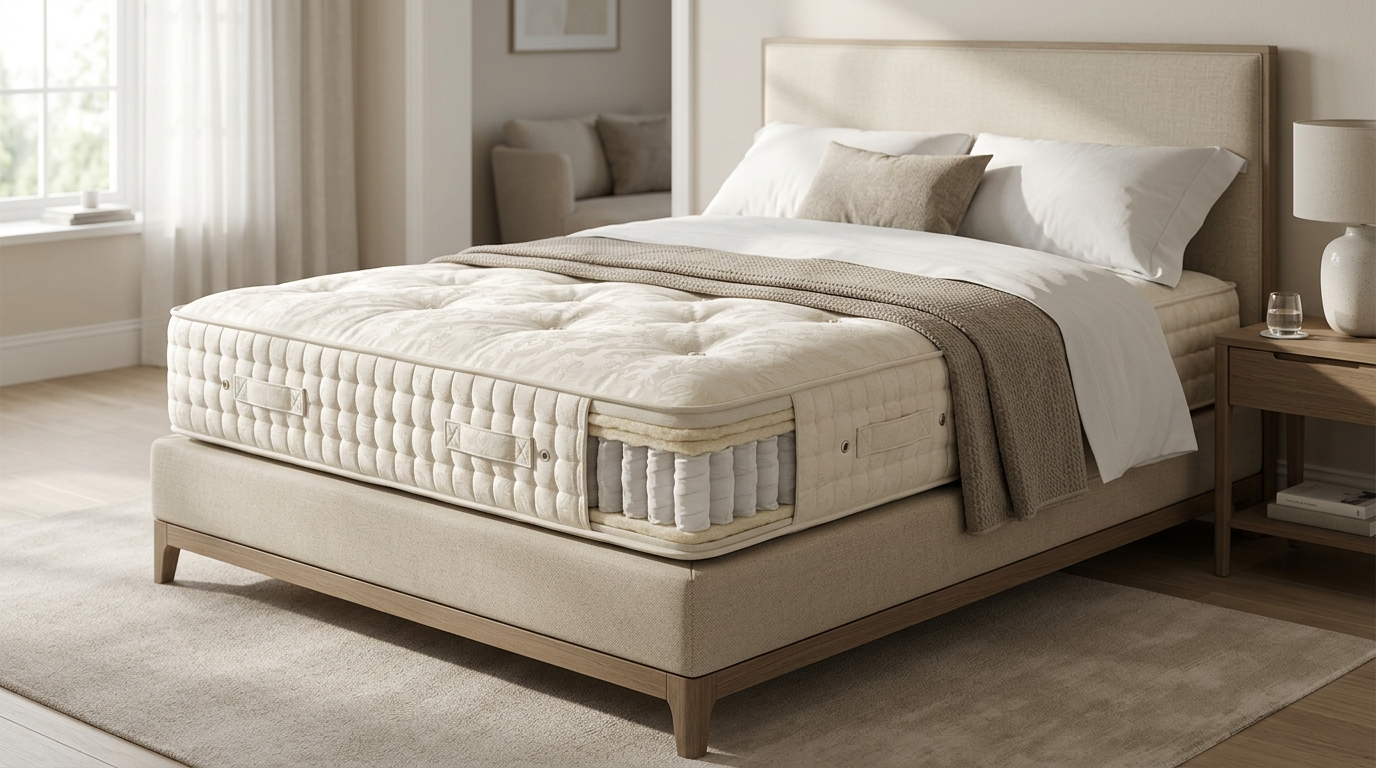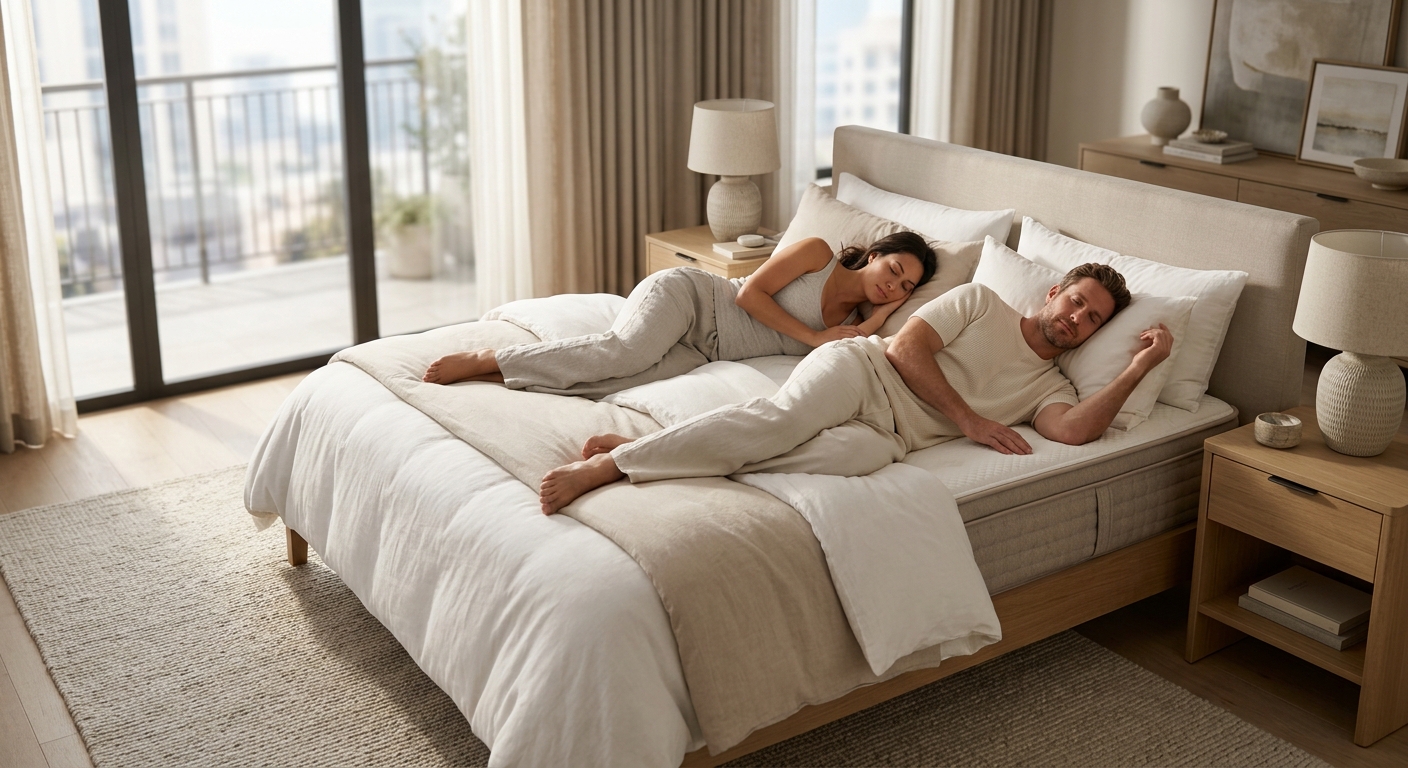
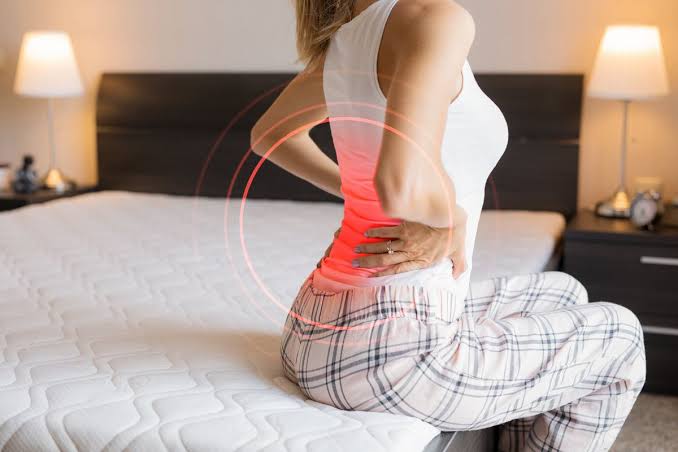
Let me be straight with you — I've woken up hunched over, hobbling to the bathroom like someone twice my age, all because of a mattress I thought was "good for my back." If you're reading this, you probably know that feeling too. The lower back tightness. The stiff hips. That annoying shoulder numbness. You bought the mattress with the fancy label and the big spring count, and somehow, you still feel worse in the morning than when you went to bed. The best pocket sprung mattress for back pain isn't just about marketing — it's about understanding what your spine actually needs while you sleep.
This guide cuts through the noise. No miracle claims. Just what I've learned after trying more mattresses than I care to admit, researching sleep ergonomics obsessively, and paying close attention to what genuinely makes a difference for back pain sufferers.
Key Takeaways
- Pocket springs offer individualised support that open-coil mattresses cannot match
- Firmness should match your sleep position, not just your pain level
- Zoned support systems make a measurable difference for lumbar alignment
- Spring count alone doesn't determine quality — build and materials matter more
- A hybrid pocket sprung mattress often outperforms pure foam for back pain long-term
- Durability and edge support are two of the most overlooked buying factors
- Sleep trials are non-negotiable — your body needs weeks to adapt properly
Table of Contents
- Why So Many People Still Wake Up With Back Pain Even After Buying an "Orthopedic" Mattress
- What Is a Pocket Sprung Mattress & Why It Supports the Spine Better
- How to Choose the Best Pocket Sprung Mattress for Back Pain Without Wasting Money
- Best Pocket Sprung Mattress Types for Different Back Pain Problems
- Pocket Sprung vs Memory Foam for Back Pain — Which One Actually Feels Better Long-Term?
- The Most Important Mattress Features That Actually Affect Back Pain Relief
- What Most Mattress Reviews Never Tell You About Durability
- Real-Life Mattress Recommendations Based on Sleep Position & Pain Type
- Best Pocket Sprung Mattress Brands Worth Considering in 2026
- Mattress Buying Mistakes That Can Make Back Pain Worse
- Step-by-Step Guide: How to Test a Mattress Properly Before Buying
- AI Tools, Apps & Smart Sleep Technology That Can Help You Choose Better
- Signs Your Current Mattress Is Secretly Causing Your Back Pain
- Quick Answers to the Most Common Back Pain Mattress Questions
- My Final Thoughts After Comparing Dozens of Mattresses for Back Pain
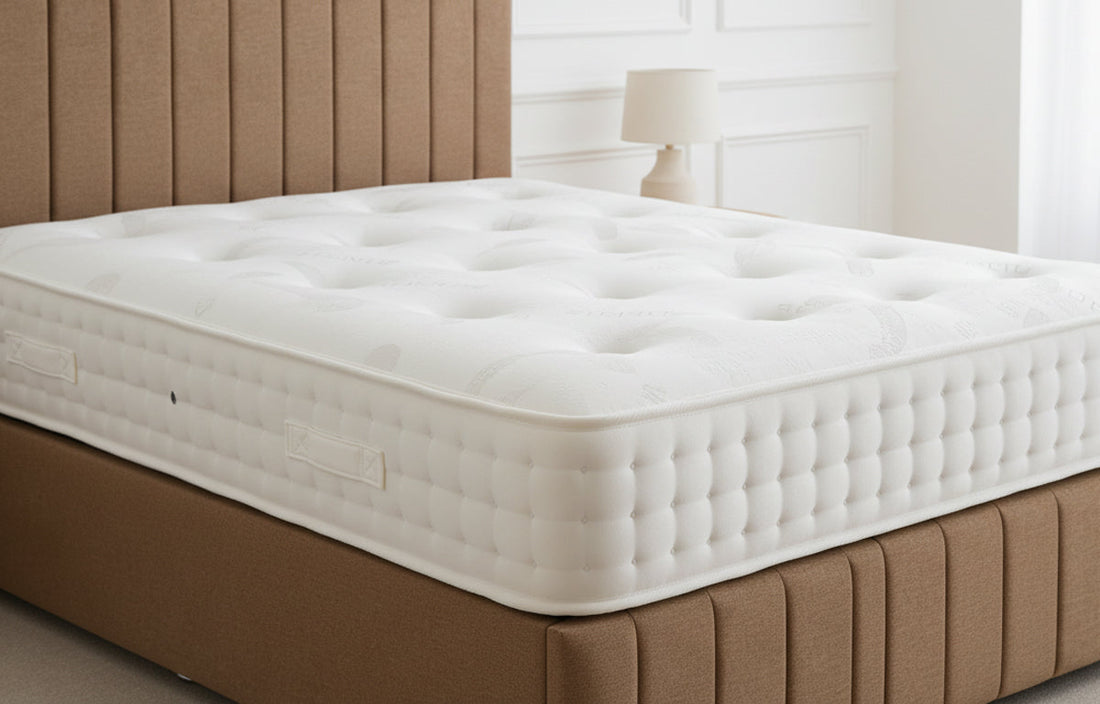
Why So Many People Still Wake Up With Back Pain Even After Buying an "Orthopedic" Mattress
Here's something nobody in the mattress industry wants to say out loud: the word "orthopedic" on a mattress label means almost nothing. There's no regulated standard for it. Any brand can slap that word on their product and call it a day. I learned this the hard way after spending over £800 on what was marketed as a clinically designed, posture-correcting mattress — and waking up with worse lower back pain than before.
The real problem is that most "firm" mattresses create pressure points rather than spinal alignment. They push back against your hips and shoulders without actually supporting the natural curve of your lumbar spine. So instead of your spine resting in a neutral position, it either arches upward or sinks unevenly — both of which lead to muscle tension, stiffness, and pain by morning.
Sound familiar? You're probably dealing with one or more of these:
- Morning stiffness that takes an hour to shake off
- That tight, achy feeling specifically in the lower back
- Hip pain after sleeping on your side
- Constantly tossing and turning to find a comfortable position
- Numb shoulders or arms when you wake up
A poor sleep surface doesn't just create pain — it disrupts your body's recovery cycle overnight. Muscles that should be relaxing are instead compensating for inadequate support. Posture suffers. Over time, chronic tension builds up.
Quick Answer: Can a pocket sprung mattress help back pain? Yes — a well-constructed pocket sprung mattress can significantly reduce back pain by providing individually responsive support that conforms to your body's shape, maintains spinal alignment, and reduces pressure on the hips, lumbar spine, and shoulders.
What Is a Pocket Sprung Mattress & Why It Supports the Spine Better Than Traditional Spring Beds
Quick Answer: What is a pocket sprung mattress? A pocket sprung mattress contains individual springs, each sewn into its own fabric pocket. Unlike open-coil mattresses where springs are all connected, pocket springs move independently — responding to localised pressure without transferring movement across the mattress.
The Simple Difference Between Open Coil and Pocket Springs
In a traditional open-coil mattress, all the springs are wired together. When you move, every spring reacts. That's why you feel your partner rolling over at 3am. It's also why pressure in one area affects support everywhere else.
Pocket springs work differently. Each spring is individually wrapped and responds only to the weight placed directly on it. This means your hips sink in just enough while your lumbar spine stays lifted — not because the mattress is magically smart, but because the support is genuinely localised.
For couples, this also means motion isolation. One person getting up for water doesn't disturb the other. That alone is worth the upgrade for many people.
In My Experience, Zoned Support Makes a Bigger Difference Than Most People Realize
If there's one feature I'd never compromise on now, it's zoned support. Many quality pocket sprung mattresses divide the spring system into distinct zones — firmer support under the lumbar region, softer zones beneath the shoulders and hips.
Why does this matter? Because your hips and shoulders are the widest, heaviest parts of your body. They need to sink slightly to allow the spine to remain neutral. Your lower back, on the other hand, needs to be supported, not cradled. Without zoning, a uniform mattress either supports one area at the expense of another.
Pressure mapping technology used by sleep researchers consistently shows that zoned support distributes body weight more evenly, reducing the peak pressure points that cause numbness and pain during sleep.
This Is Where Things Get Real: A Mattress Can Either Help or Worsen Your Spine Alignment
Neutral spinal positioning is the goal. Your spine has a natural S-curve — and a good mattress should maintain that curve whether you're on your back, side, or stomach. When a mattress is too soft, your hips drop and your lumbar spine curves excessively. When it's too firm, your hips and shoulders are pushed upward, creating tension across the lower back.
Sleep ergonomics matters enormously here. Think of it this way: you spend roughly a third of your life on your mattress. If your spine is even slightly misaligned for eight hours every night, the cumulative effect on your muscles, discs, and joints is significant.
Quick Answer: How does a pocket sprung mattress reduce back pain? By allowing each spring to respond independently to your body's contours, a pocket sprung mattress supports the lumbar curve, reduces peak pressure on hips and shoulders, and keeps the spine in a neutral position — which reduces muscle tension and morning stiffness.
How to Choose the Best Pocket Sprung Mattress for Back Pain Without Wasting Money
Honestly, I Made This Mistake Too — Buying Based Only on Spring Count
The marketing loves big numbers. "3000 pocket springs!" sounds impressive. And yes, a higher spring count generally means smaller, more responsive springs that contour more precisely to your body. But spring count alone does not determine mattress quality.
I've slept on a 2000-spring mattress that outperformed a 3000-spring competitor because the comfort layers on top were better constructed. The foam quality, the upholstery fillings, the edge support system — all of these contribute to how the mattress actually performs night after night.
The Best Firmness for Back Pain Depends on How You Sleep
This is where most people go wrong — they assume firm automatically means better for back pain. It doesn't. The right firmness depends entirely on your sleep position:
- Side sleepers — Medium-firm. You need enough give to allow hips and shoulders to sink without sharp pressure points.
- Back sleepers — Medium to firm. You want lumbar support without excessive sinkage.
- Stomach sleepers — Firmer. Too much softness and your lower back hyperextends overnight.
- Heavier sleepers (over 16 stone) — Look for reinforced or high-density support systems that won't compress too quickly.
Most People Ignore This Part: Mattress Depth and Edge Support
Edge support is criminally underrated. If you sit on the side of your mattress to put on shoes and feel it collapsing beneath you, that's a warning sign. Poor edge support means you're losing a significant portion of the usable sleep surface — and it often indicates weaker internal construction overall.
Mattress depth also affects durability. Thinner mattresses (under 20cm) tend to compress faster, especially the comfort layers. For back pain sufferers, this means the mattress that felt great in month one may be providing very little support by month eighteen.
Cooling Features Matter More Than You Think
Heat retention keeps you in lighter sleep stages, increases restlessness, and — importantly for pain sufferers — can worsen inflammatory discomfort. If you run warm at night, your mattress surface material genuinely affects your sleep quality and pain levels.
- Gel foam layers — Absorb and disperse heat better than standard memory foam
- Latex — Naturally breathable, responsive, and temperature-neutral
- Wool fillings — Regulate temperature naturally in both warm and cool conditions
- Open-cell foam and airflow channels — Improve ventilation through the mattress core
Also read: Bedroom Design Ideas for Comfort: The Sleep Specialist's 2026 Guide
Best Pocket Sprung Mattress Types for Different Back Pain Problems
Best Hybrid Pocket Sprung Mattress for Lower Back Pain
A hybrid mattress combines a pocket spring base with foam or latex comfort layers on top. This is currently the most recommended construction for lower back pain because it delivers the best of both worlds — the responsive, zoned support of pocket springs underneath with the pressure-relieving contouring of foam above.
Memory foam on top of pocket springs means your hips sink just enough, your lumbar region stays lifted, and you're not fighting against a rigid surface all night. For most chronic lower back pain sufferers, a quality hybrid is the closest thing to a genuinely therapeutic sleep surface.
Best Orthopedic Pocket Sprung Mattress for Chronic Pain
As I mentioned earlier, "orthopedic" is a marketing term. What you're actually looking for is a mattress with documented zoned support, high-density comfort layers that won't soften rapidly, and consistent lumbar reinforcement across the middle third of the mattress.
Some physiotherapists and chiropractors do recommend specific models, but the consensus is consistent: firm zoned support with adequate pressure relief at the shoulders tends to work best for people with chronic pain conditions.
Best Pocket Sprung Mattress for Side Sleepers With Hip Pain
Side sleepers put enormous pressure on the hip and shoulder that contact the mattress. You need a comfort layer with genuine contouring — enough to allow the hip to sink without creating a sharp pressure point at the greater trochanter (the bony protrusion at the outside of the hip).
Look for medium-firm hybrids with a generously cushioned top layer — at least 3–4cm of quality foam or latex — sitting above the pocket spring base.
Best Mattress for Heavy People With Back Pain
Heavier sleepers (typically over 16–18 stone) need higher-density support that resists sagging over time. A standard pocket sprung mattress may feel comfortable initially but break down within 12–18 months if the internal density isn't sufficient.
Look for mattresses with high-gauge (thicker) pocket springs, reinforced lumbar zones, and high-density foam comfort layers. Avoid budget models with thin poly-foam padding — they won't hold up.
Best Cooling Pocket Sprung Mattress for Hot Sleepers
For hot sleepers dealing with back pain, the combination of breathable materials matters. The best options include wool or natural fibre quilted top layers, gel-infused foam comfort layers, and a pocket spring base that allows natural airflow through the mattress core. Latex hybrid mattresses also perform exceptionally well here.
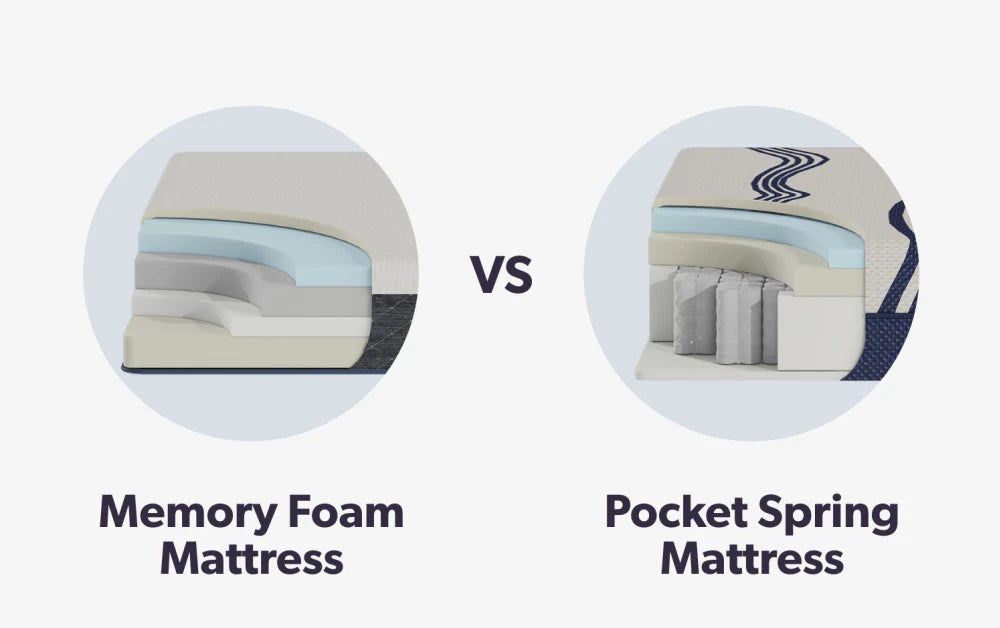
Pocket Sprung vs Memory Foam for Back Pain — Which One Actually Feels Better Long-Term?
Memory Foam Pressure Relief vs Pocket Spring Responsiveness
Memory foam contours deeply to your body — it's excellent for pressure relief around bony areas. But it responds slowly, which means it doesn't adjust quickly when you change positions. For people who move during sleep (which includes most back pain sufferers), this sluggish response can leave you momentarily unsupported during position changes.
Pocket springs are more responsive. They push back immediately when you shift weight, which keeps your spine better supported through movement. The trade-off is that pure spring mattresses without adequate comfort layers can feel too firm for pressure-sensitive areas.
I've Seen This Happen Many Times: People Choose Foam and Regret the Heat Retention
Pure memory foam is notoriously poor at temperature regulation. It absorbs body heat and holds it, creating a progressively warmer sleep surface through the night. For back pain sufferers where inflammation and muscular tension are already contributing factors, sleeping hot makes everything worse.
I've spoken to more people than I can count who switched from a memory foam mattress specifically because of overheating — not because the support was bad, but because the heat disrupted their sleep so significantly that the pain relief didn't matter.
Hybrid Mattresses: The Middle Ground That Solves Both Problems
A quality hybrid pocket sprung mattress gives you contouring comfort on top and responsive spring support underneath, while the inherent airflow of the spring base keeps temperatures lower than pure foam. It's why five-star hotels almost universally use hybrid constructions — they work for the broadest range of body types and sleep positions.
| Feature | Pocket Sprung | Memory Foam | Hybrid | Latex Hybrid |
| Back Support | Excellent | Good | Excellent | Excellent |
| Cooling | Good | Poor | Good | Very Good |
| Motion Isolation | Good | Excellent | Very Good | Good |
| Durability | Very Good | Good | Very Good | Excellent |
| Price Range | Mid–High | Low–Mid | Mid–High | High |
| Avg Lifespan | 8–10 years | 6–8 years | 8–10 years | 10–12 years |
The Most Important Mattress Features That Actually Affect Back Pain Relief
Zoned Support Systems Explained Simply
A zoned system means the mattress provides varying levels of firmness across different body regions. Firmer under the lumbar spine, softer at the shoulders and hips. This ensures your natural spinal curve is maintained without creating pressure points at the body's widest areas.
Pressure Relief and Why It Matters for Deep Sleep
When a mattress presses too hard against the hip or shoulder, it restricts blood circulation to that area. Your nervous system detects this and wakes you (often subconsciously) to prompt a position change. This is why people toss and turn — not because they're light sleepers, but because their mattress is creating circulation problems.
Motion Isolation for Couples With Different Sleep Styles
If your partner moves frequently, a mattress with poor motion isolation transfers that movement directly to you — disrupting sleep continuity. Pocket springs handle this far better than open-coil systems, and hybrid constructions with foam comfort layers improve isolation further.
Mattress Materials That Improve Long-Term Comfort
- Latex — Naturally responsive, breathable, and durable. Great for back pain and hot sleepers.
- Wool — Temperature-regulating and naturally hypoallergenic
- Memory foam — Excellent pressure relief but monitor heat retention
- Natural fillings (cashmere, silk, cotton) — Comfort and breathability in luxury tiers
- Pocket coils — The responsive, supportive foundation that makes everything work
Also read: How to Make Your Bed Feel Like a Luxury Hotel: The Ultimate Guide to Five-Star Sleep
What Most Mattress Reviews Never Tell You About Durability
Sagging Is One of the Biggest Causes of Returning Back Pain
Here's a truth that review sites rarely mention: sagging is the number one reason back pain returns after a mattress initially helps. Body impressions form in the comfort layers over time, and once the mattress starts sagging — even slightly — your spine is no longer being supported neutrally. It's sinking into an uneven surface every night.
Cheap Pocket Spring Mattresses Often Lose Support Faster
Budget pocket sprung mattresses frequently use thin poly-foam comfort layers that soften and break down within 12–18 months. The springs themselves may be fine, but the material sitting between you and the spring system deteriorates quickly — effectively changing the mattress from medium-firm to soft without you noticing the gradual shift.
Mattress Rotation and Maintenance Tips
- Rotate your mattress 180° every 3 months for the first year, then every 6 months after
- Use a supportive, slatted base with no gaps wider than 7cm
- Use a quality mattress protector to prevent moisture damage to comfort layers
- Replace when you notice visible sagging, increased morning stiffness, or springs you can feel through the surface
Quick Answer: How long does a pocket sprung mattress last? A quality pocket sprung or hybrid mattress typically lasts 8–10 years. Budget models may show significant wear within 3–5 years, particularly in the comfort layers. Latex hybrid mattresses can last up to 12 years with proper care and rotation.
Real-Life Mattress Recommendations Based on Sleep Position & Pain Type
Office Workers With Lower Back Pain
If you're sitting for 8+ hours a day, your hip flexors are already shortened and your lumbar spine is already under stress before you even get into bed. You need a medium-firm hybrid with strong lumbar zoning — something that actively supports the lower back rather than letting it sink into a soft cradle overnight.
Athletes and Muscle Recovery Sleep
Recovery sleep requires deep, uninterrupted rest. A mattress with good pressure relief reduces muscular tension and improves circulation during sleep. Look for a hybrid with a generous latex or high-density foam comfort layer — enough to cushion sore muscles without sacrificing spinal support.
Elderly Sleepers With Joint Pain
Ease of movement is an often-ignored factor for older sleepers. A mattress that's too soft makes it harder to change positions or get out of bed. Medium-firm hybrids with responsive comfort layers (latex works particularly well here) strike the right balance between pressure relief and ease of movement.
Couples Who Constantly Wake Each Other Up
Motion isolation and edge support are the priorities. A hybrid pocket sprung mattress with a memory foam comfort layer will handle partner movement well. Good edge support also means you both have full use of the mattress surface — no rolling toward the middle.
Pregnant Sleepers Needing Hip & Back Support
Pregnancy places dramatic and changing pressure on the hips, pelvis, and lower back. A medium pocket sprung hybrid with a cushioned top layer allows the hip to sink adequately while maintaining lumbar support. Side sleeping is strongly recommended, and a body pillow alongside a supportive mattress makes a significant difference.
Also read: Understanding European Bed Sizes: The Complete 2026 Guide for Expats & Homeowners
Best Pocket Sprung Mattress Brands Worth Considering in 2026
Luxury Brands
- Hypnos — Preferred supplier to luxury hotels, excellent hand-tufted pocket spring construction, outstanding durability
- Tempur Hybrids — Combines their proprietary pressure-relieving foam with responsive pocket springs; particularly good for chronic pain
- Sleepeezee — British manufacturer with strong orthopedic range and zoned spring systems
Mid-Range Best Value Picks
- Simba — Titanium Aerocoil springs plus foam layers; strong sleep trial (200 nights); good for back pain and hot sleepers
- Emma Mattress — Hybrid models offer solid zoned support; competitive pricing with a 100-night trial
- Nectar — Good pressure relief; longer warranty than most competitors (lifetime guarantee on some models)
Budget-Friendly Options That Still Support the Spine
On a tighter budget, prioritise these features: a genuine pocket spring count (not open-coil), a comfort layer that's at least 3cm deep, and reinforced edge support. Acceptable compromises include fewer comfort layer materials and shorter trial periods. Non-negotiables: verified pocket springs, adequate depth (22cm+), and at least a 2-year warranty.
| Brand Tier | Trial Period | Warranty | Cooling | Zoned Support |
| Hypnos (Luxury) | 60 nights | 10 years | Wool layers | Yes |
| Simba (Mid) | 200 nights | 10 years | Airflow foam | Yes |
| Emma (Mid) | 100 nights | 10 years | Foam layers | Yes |
| Budget options | 30–60 nights | 2–5 years | Limited | Varies |
Mattress Buying Mistakes That Can Make Back Pain Worse
Choosing an Extra Firm Mattress Without Testing It
Extra firm mattresses push back hard against pressure points. For lighter sleepers or side sleepers, this creates painful pressure at the hips and shoulders that worsens pain rather than relieving it. Firm is not universally better — it depends entirely on your body weight and sleep position.
Ignoring Your Body Weight
A mattress that's medium-firm for someone weighing 10 stone will feel very different for someone weighing 16 stone. Heavier sleepers compress comfort layers more deeply and need higher-density materials to achieve the same support level. Always account for your weight when interpreting firmness ratings.
Falling for "Orthopedic" Marketing Buzzwords
Look instead for these credible indicators: independently tested spring quality, documented zoned support system, high-density foam ratings (ideally 40kg/m³ or above for comfort layers), and genuine customer reviews that mention long-term use (12+ months).
Replacing Pillows but Ignoring the Mattress
Your pillow and mattress form a system. A good pillow cannot compensate for a mattress that's misaligning your spine. If your shoulder is sinking too deeply into a soft mattress, your neck will be angled upward regardless of how good your pillow is. Address the mattress first.

Step-by-Step Guide: How to Test a Mattress Properly Before Buying
Quick Answer: How do you test a mattress for back pain? Lie on it in your natural sleep position for at least 10–15 minutes. Check whether your spine feels neutral, whether there's pressure at your hips or shoulders, whether the edge holds your weight, and whether your partner's movement transfers. Always use the full sleep trial period.
Step 1 — Check Spinal Alignment While Lying Down
Lie in your habitual sleep position and have someone check whether your spine appears straight (back sleeper) or whether your body forms a straight line from head to hip (side sleeper). If your lower back is visibly arched away from the mattress or sinking into it, the firmness is wrong for you.
Step 2 — Test Pressure Relief Around Hips and Shoulders
After 10 minutes on your side, pay attention to whether your hip or shoulder is becoming uncomfortable. A tingling or numbing sensation is a red flag — it means blood flow is being restricted. That's a pressure point problem, not something you "get used to."
Step 3 — Evaluate Edge Support and Motion Isolation
Sit on the edge of the mattress. It should support your weight without dramatic compression. For couples, have one person roll over while the other lies still — you should feel minimal movement transfer with a quality pocket sprung mattress.
Step 4 — Understand the Sleep Trial Terms
Most reputable brands offer 100–200 night trials. Read the small print: some require the mattress to be on a specific base type for the warranty to remain valid. Check whether the return is genuinely free or whether you pay collection fees. A longer trial period almost always signals a more confident manufacturer.
AI Tools, Apps & Smart Sleep Technology That Can Help You Choose Better
Sleep Tracking Apps That Reveal Hidden Sleep Problems
Apps like Sleep Cycle, Fitbit sleep tracking, and Apple Health sleep analysis can identify patterns you'd never notice consciously — frequent micro-awakenings, restless movement periods, and sleep stage distribution. If your data shows you're spending very little time in deep sleep, your mattress may be a contributing factor.
AI Mattress Recommendation Tools Are Getting Smarter
Several mattress companies now use AI-driven questionnaires that account for weight, sleep position, pain location, temperature preferences, and budget to recommend specific models. Some retailers have introduced in-store pressure mapping technology that creates a visual map of how your body distributes weight — genuinely useful for identifying problem areas before you buy.
AI vs Human Mattress Consultants — Which Is More Reliable?
| Factor | AI Tool | Human Consultant |
| Personalisation | Data-driven, consistent | Nuanced, experiential |
| Cost | Free | Free in-store (sales bias) |
| Accuracy | Improving rapidly | Varies significantly |
| Convenience | Excellent | Requires in-store visit |
| Bias Risk | Algorithm bias possible | Sales commission bias common |
Smart Beds and Adjustable Bases for Chronic Back Pain
Adjustable bases allow you to elevate the head or foot of the mattress — reducing lumbar pressure, improving circulation, and finding positions that relieve specific pain patterns. For people with chronic back conditions, this adjustability can make a meaningful difference, particularly for those who struggle to find a comfortable position in a flat sleep surface.
Signs Your Current Mattress Is Secretly Causing Your Back Pain
You Wake Up Stiff but Feel Better Later in the Day
This is the clearest sign. If your pain eases within an hour or two of waking, the most likely cause is your sleep surface, not an underlying injury. You're spending hours in a posture that stresses your spinal muscles, and it takes movement to release that tension each morning.
Visible Sagging and Uneven Support Areas
Stand at the foot of your bed and look along the surface. Any visible dips or body impressions deeper than 1–2cm are a problem. Sagging means you're sleeping in a hammock-like surface that curves your spine unnaturally every single night.
You Sleep Better in Hotels Than at Home
Almost everyone with a bad mattress reports sleeping better in hotels. That's not coincidence. Most quality hotels use medium-firm hybrid mattresses with high-density pocket springs and generous comfort layers — precisely the construction that supports the broadest range of body types. If you feel noticeably better after a hotel stay, your home mattress is the problem.
Quick Answers to the Most Common Back Pain Mattress Questions
Is a Pocket Sprung Mattress Good for Lower Back Pain?
Yes. A quality pocket sprung mattress — especially a hybrid version — provides individualised spring response that supports the lumbar spine, reduces pressure points, and maintains neutral spinal alignment far better than open-coil or basic foam mattresses.
What Firmness Is Best for Back Pain?
Medium-firm is the most recommended firmness for back pain across sleep positions. Side sleepers may prefer medium; back sleepers benefit from medium-firm to firm; stomach sleepers need firmer support. Your body weight also shifts the effective firmness significantly.
Are Hybrid Mattresses Better Than Traditional Pocket Springs?
For most back pain sufferers, yes. Hybrids add a pressure-relieving comfort layer above the spring system, which reduces peak pressure at the hips and shoulders while retaining the responsive lumbar support of pocket springs. They also sleep cooler than pure foam alternatives.
How Many Pocket Springs Do You Actually Need?
For a king-size mattress, 1000–2000 pocket springs is generally adequate. Higher counts (2000–3000+) offer more precise contouring. Beyond 3000, the differences are marginal. Focus more on spring quality and comfort layer construction than hitting a specific number.
Is Memory Foam or Pocket Spring Better for Sciatica?
Pocket springs (particularly hybrid models) tend to work better for sciatica because they support neutral spinal alignment more effectively. Memory foam can relieve pressure but may allow too much lumbar sinkage, which can worsen sciatic nerve compression. A medium-firm hybrid is typically the top recommendation.
Can a Mattress Improve Posture?
Directly, no — a mattress supports posture during sleep rather than actively correcting it. But by maintaining neutral spinal alignment for 7–9 hours each night, a good mattress prevents the postural muscle tension that builds up from sleeping on an unsupportive surface, which indirectly supports better daytime posture over time.
How Often Should You Replace a Mattress?
Every 8–10 years for a quality pocket sprung or hybrid mattress. Budget models may need replacing within 5–6 years. If you notice visible sagging, increased morning stiffness compared to when the mattress was new, or springs you can feel through the surface, replace it sooner.
Are Expensive Mattresses Really Worth It?
Up to a point, yes. There is a real quality difference between budget and mid-range mattresses in terms of materials, construction, and durability. Beyond the mid-range, price increases are often driven by brand premium and luxury materials rather than proportional sleep quality improvements. A well-chosen mid-range hybrid typically offers the best value for back pain sufferers.
What Is the Best Sleeping Position for Back Pain?
Back sleeping with a pillow under the knees is generally considered optimal for spinal alignment. Side sleeping with a pillow between the knees is the second best option and works well on a medium-firm pocket sprung mattress. Stomach sleeping is the least recommended for back pain as it tends to hyperextend the lumbar spine.
How Long Does It Take to Adjust to a New Mattress?
Most people need 2–6 weeks to fully adjust to a new mattress. Your muscles and joints need time to adapt to the new support levels. Temporary increase in discomfort during the first 1–2 weeks is normal. Always use the full sleep trial period before making a return decision.
My Final Thoughts After Comparing Dozens of Mattresses for Back Pain
After all of this — the research, the testing, the conversations with people dealing with chronic back pain — what I keep coming back to is this: there is no single best pocket sprung mattress for back pain. What there is, is the right mattress for your specific body, sleep position, pain pattern, and temperature needs.
What I can tell you with confidence is that pocket sprung and hybrid mattresses consistently outperform basic foam options for back pain sufferers in the long term. The combination of individualised spring response, zoned lumbar support, and better temperature regulation makes them the most versatile and sustainable choice.
Here's what actually matters when you're choosing:
- Match the firmness to your sleep position, not just your pain severity
- Prioritise zoned support and quality comfort layers over raw spring count
- Don't underestimate edge support and durability — they affect how long your investment lasts
- Use the full sleep trial period — your body needs weeks, not days, to give you accurate feedback
- If you run warm at night, cooling features are not optional
One final and important note: if your back pain is severe, persistent, or neurological in nature, please speak with a GP, physiotherapist, or chiropractor before relying solely on a mattress change. A better sleep surface can make a real difference for muscle-based back pain and poor sleep posture — but it isn't a substitute for professional medical advice when the pain is significant.
Take your time, use the trial periods, and trust what your body tells you after a few weeks of consistent sleep. That's the only mattress review that truly counts.