
You turn over at 3am, feel that familiar ache across your lower back, and start wondering if the bed is to blame. A quick search for the best pocket sprung mattress for back pain throws up a wall of spring counts, "orthopaedic" labels and sale banners. It is exhausting.
Let me make this simpler. This guide covers what actually matters when choosing a pocket sprung mattress, how to read the small print, and which UK models are worth comparing. One honest caveat up front: no mattress cures back pain. The aim is a bed that is comfortable and supportive for you.
Last updated: October 2026. Prices, trials and guarantees change often, so confirm everything with the retailer before you order.
Key Takeaways
- A pocket sprung mattress uses individually wrapped springs, so each one responds to pressure on its own.
- Medium-firm is a sensible place to start, not a rule. Your weight, sleeping position and preference decide.
- Spring count on its own tells you very little. Tension, layers and upholstery matter just as much.
- Read trial conditions and guarantee exclusions before you fall for a price.
- Persistent or worsening back pain deserves a proper medical check, whatever bed you own.
Table of Contents
- What Is the Best Pocket Sprung Mattress for Back Pain?
- How Does a Pocket Sprung Mattress Support Your Body?
- How to Choose the Right Firmness for Back Comfort
- Which Pocket Sprung Mattress Construction Should You Choose?
- The Best Pocket Sprung Mattress Options to Compare
- The Details Worth Checking Before Buying
- A Step-by-Step Guide to Choosing the Right Pocket Sprung Mattress
- Beginner Mistakes That Can Lead to the Wrong Mattress
- Real-Life Scenarios: Which Mattress Type Might Suit You?
- AI Tools, Mobile Apps, and Smarter Mattress Research
- What to Do If Your Pocket Sprung Mattress Makes Your Back Hurt
- Frequently Asked Questions About Pocket Sprung Mattresses
- Your Final Mattress Buying Checklist
What Is the Best Pocket Sprung Mattress for Back Pain?
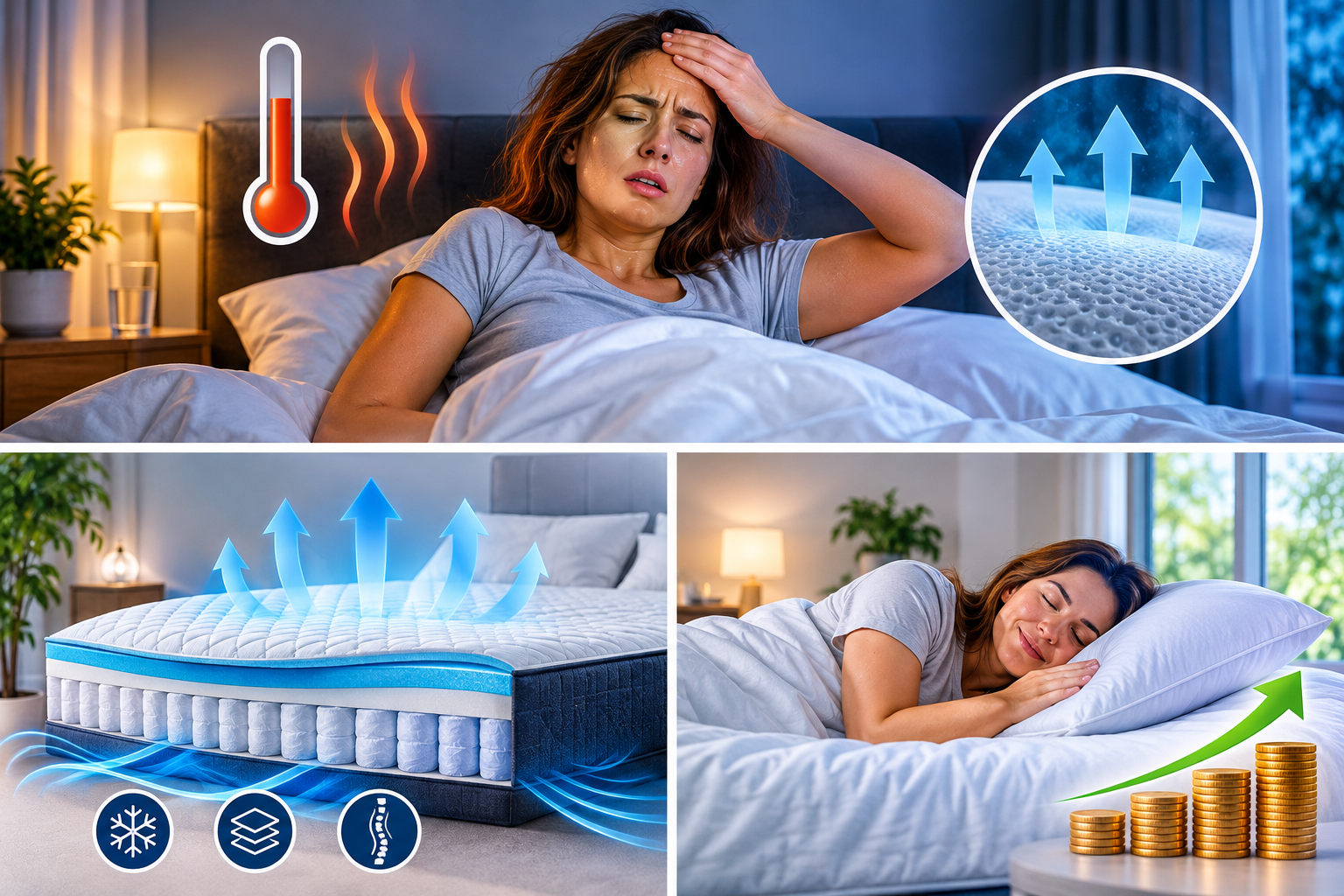
The best pocket sprung mattress for back pain is usually one with a medium to medium-firm feel that cushions your shoulders and hips while keeping your body comfortably level. It depends on your sleeping position, weight and preferences. Try it with a home trial before committing.
Medium-firm is a starting point worth investigating, not a prescription. Here is what I would judge any model on: comfort, support, spring construction, upholstery, durability and return policy.
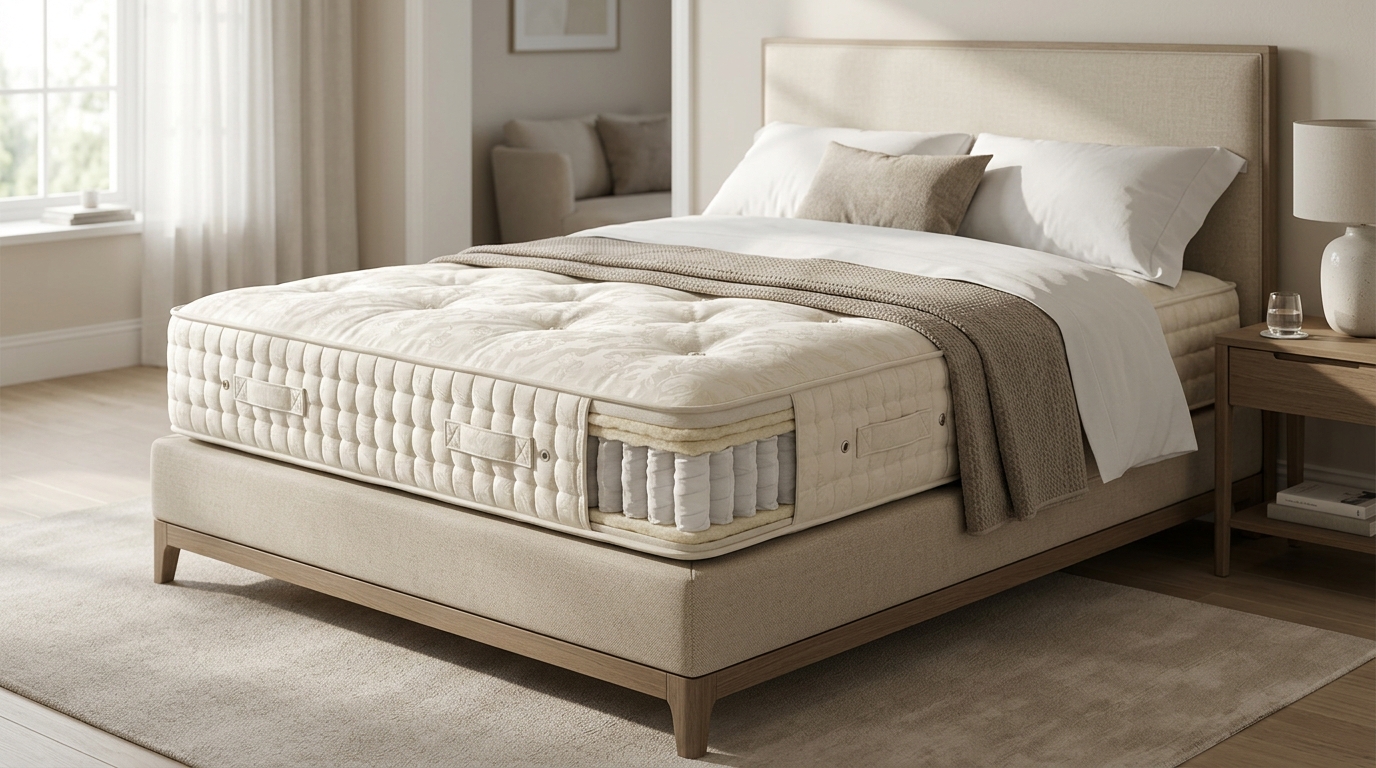
If you are new to the term, a pocket sprung mattress is one where each spring sits inside its own fabric pocket. That lets springs move independently instead of dragging their neighbours along.
The Quick Answer: Which Mattress Features Matter Most?
- Individually wrapped springs that respond to local pressure.
- Cushioning around the shoulders and hips.
- A good balance between surface comfort and underlying support.
- Edge support and movement isolation that suit how you sleep.
- Clear specifications, trial conditions and guarantee terms.
What Most People Get Wrong About Mattress Firmness
What most people get wrong is assuming the firmest bed is the most supportive. It often is not. A very hard surface can press on your shoulders and hips, while a very soft one can let your middle sink.
There is some evidence behind this. A randomised trial in The Lancet (Kovacs et al., 2003) gave 313 adults with chronic non-specific low back pain either firm or medium-firm mattresses. The medium-firm group reported better outcomes at 90 days. It is a single study, so treat it as a useful clue rather than a guarantee.
Also, how firm a bed feels is not the same as how well it supports you. Picture two sleepers. A lighter side sleeper may find a "firm" mattress harsh on the shoulder. A heavier back sleeper may find the same bed just right. Neither is wrong.
How Does a Pocket Sprung Mattress Support Your Body?
Each spring compresses under the weight above it and pushes back on its own. Heavier areas such as hips sink a little more, while lighter areas stay higher. Layers of upholstery on top then soften the feel.
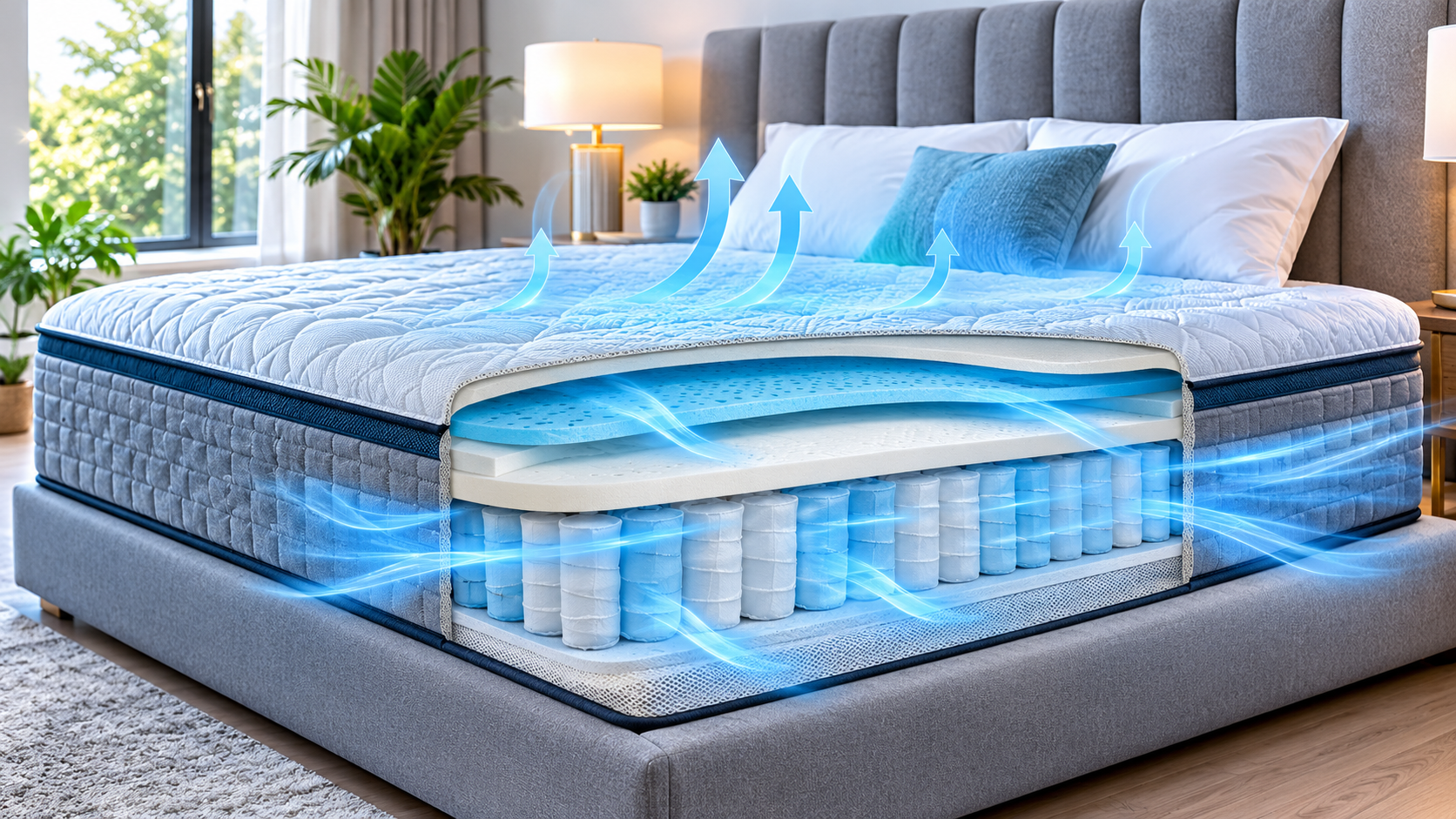
So the experience comes from four things working together: spring tension, comfort layers, upholstery and overall construction. Spring design alone cannot tell you whether a bed will suit someone with back discomfort.
Pocket Springs vs Open-Coil and Continuous-Coil Systems
- Pocket springs: independent, so movement stays more localised. Usually pricier.
- Open-coil: springs are linked together, so movement travels across the bed. Typically cheaper.
- Continuous coil: one length of wire formed into rows. Can be firm and durable, but less localised.
Actual performance varies by design and materials, so use this as a guide rather than a verdict.
What Do Spring Count, Spring Tension, and Zoning Actually Mean?
Most people ignore this part, and it is where marketing gets slippery. Brands count springs differently. Some include mini springs in upper layers, others count only the main support layer, and some count in a king size rather than a double.
Spring gauge (wire thickness), tension, arrangement and the layers above all change how a bed feels. A smaller count of well-tensioned springs can feel better than a huge count of light ones.
Zoned support means firmer or softer areas across the mattress, often around the hips and shoulders. It sounds clever, but it does not suit every sleeper. Do not choose by spring count alone.
How to Choose the Right Firmness for Back Comfort
Think of firmness as a scale from soft, which cradles you deeply, to firm, which feels flat and supportive on top. No single level is best for everyone.
A simple checklist helps:
- Do your shoulders and hips feel pressed or comfortably cushioned?
- Can you turn over easily?
- Does your lower back feel held, not hammocked?
- Are you waking up more comfortable than when you went to bed?
Best Pocket Sprung Mattress Firmness for Side Sleepers
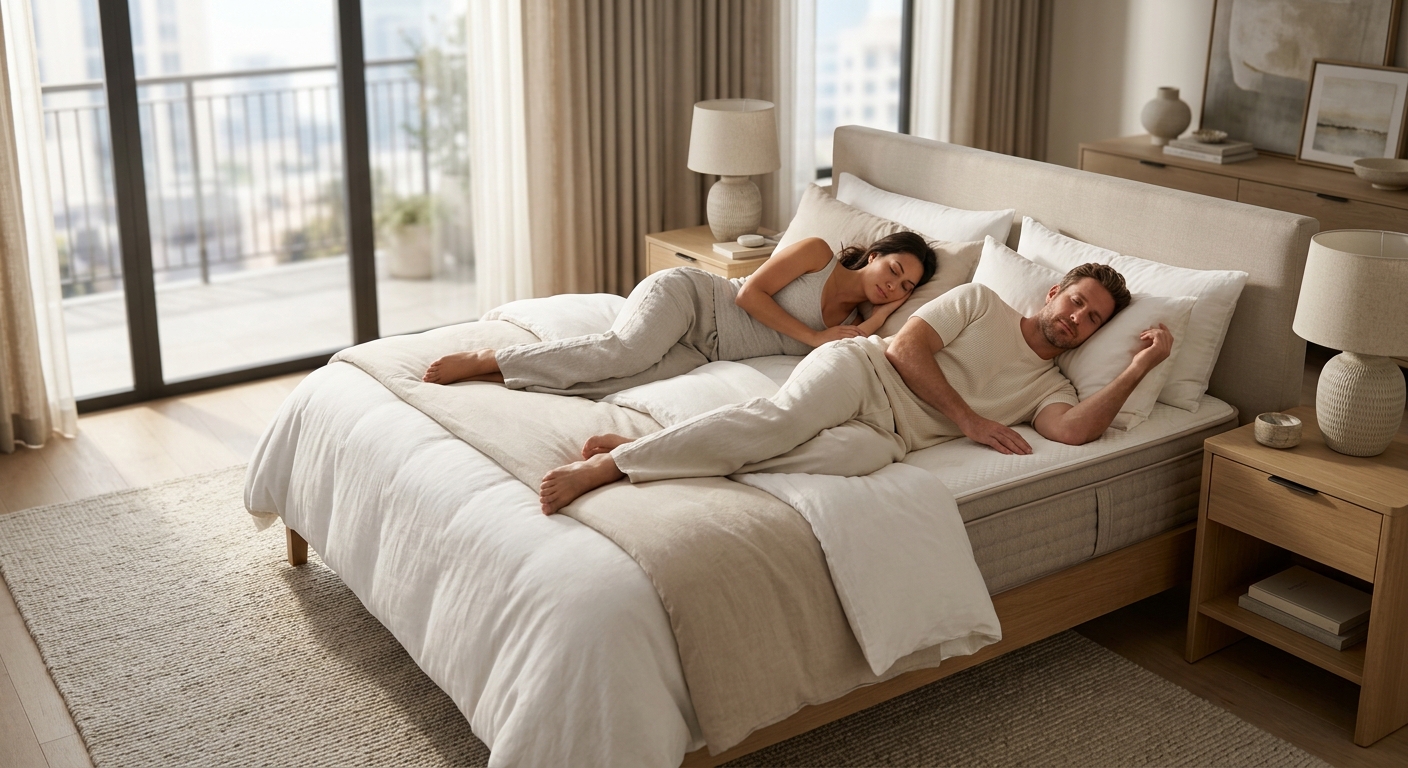
Side sleepers usually need cushioning around the shoulders and hips. An overly firm surface can leave those points feeling sore. Pillow-top and foam-topped designs add give, whereas traditional tufted upholstery feels flatter and firmer.
Best Pocket Sprung Mattress Firmness for Back Sleepers
Back sleepers tend to want comfortable support without the hips sinking too deeply. Compare firmness options using the specification and a proper trial. I would avoid universal claims about spinal alignment, because bodies differ.
What About Stomach and Combination Sleepers?
Stomach sleepers often prefer a surface that limits sinking through the midsection. Combination sleepers need a responsive surface that makes changing position easy. Consider firmness, responsiveness and surface cushioning together.
How Body Weight Changes the Feel of a Mattress
The same mattress can feel firm to a lighter person and soft to a heavier one. Check support limits, spring construction and comfort-layer depth, and read the manufacturer's guidance. If you can, test the actual mattress.
Which Pocket Sprung Mattress Construction Should You Choose?
A traditional pocket sprung mattress relies mainly on springs and natural or synthetic fillings. A hybrid adds foam or latex comfort layers over the springs. Upholstery choices, such as wool, cotton, foam and latex, change temperature, responsiveness and pressure relief.
Pocket Springs vs Memory Foam for Back Pain
Pocket springs feel bouncier and make it easier to move around. Memory foam contours more deeply and absorbs movement, but can feel warmer and "stuck" for some. Pocket sprung mattresses can also contain memory foam comfort layers, so it is not an either-or. Neither is universally better.
Also read: Pocket Sprung vs Memory Foam Mattress: Which One Is Actually Better for Your Sleep in 2026?
Pocket Springs vs Latex and Natural Upholstery
Latex is springy and responsive, while foam contours slowly. Wool regulates temperature well, cotton adds breathability, and synthetic fillings keep costs down. Be careful with "natural" claims. Look for independently verified information, not just marketing wording.
Pillow-Top vs Standard Pocket Sprung Mattresses
A pillow top adds a plush layer that softens the surface and helps with pressure points. The trade-off is that thick comfort layers can compress over time and may let some sleepers sink more than they like. Check the comfort-layer thickness and how durable it is likely to be.

The Best Pocket Sprung Mattress Options to Compare
I picked these six brands because they are widely sold in the UK and publish construction details. They are comparison starting points, not rankings or endorsements. I have not tested them myself. Everything below comes from retailer listings, a manufacturer-supplied specification or independent reviews, and I say so where possible.
No affiliate relationship influences this list. Where a detail was not available, the table says "check" rather than guess.
Pocket Sprung Mattress Comparison Table
| Brand and model | Type and firmness | Springs (as listed) | Upholstery | Price, double (as listed) | Trial and guarantee (as listed) | Suits and main limitation |
| Sleepeezee Artisan Pressure Support 3800 | Pocket sprung, medium | 3,559, including mini and 800 zoned springs | Latex, British wool, silk | £1,799 (John Lewis) | 60-night comfort trial listed, terms apply. 7-year guarantee | Those wanting layered comfort. Premium price. |
| Silentnight Sleep Retreat Comfort 1000 Mirapocket | Pocket sprung, medium/firm | 1,000 | Check current spec | £749 (John Lewis) | 60-night trial needs a protector bought with it. 5-year guarantee | Value seekers. Trial has conditions and return fees can apply. |
| Hypnos Luxury Ortho Support No. 3 | Pocket sprung, medium/firm (No. 2 is firm, No. 1 extra firm) | Check current spec | Check current spec | Check current price | Check current terms | Those preferring firmer support. Spring and upholstery details not verified here. |
| Sealy Posturepedic Elevate Cocoon Plush | Pocket sprung, soft/medium | Check current spec | Check current spec | Check current price | Bensons lists a minimum 5-year guarantee on the Posturepedic range | Side sleepers wanting softness. May feel too soft for some back sleepers. |
| Harrison Spinks Yorkshire 7500 | Pocket sprung, firm (per Which? listing) | Two layers, count not stated | Cotton, wool, hemp | About £2,099 typical (Which?, July 2025) | Check current terms | Natural-fibre fans wanting firm. Premium price and firm feel. |
| Simba Hybrid Pro | Hybrid, medium-firm | Over 4,800 micro springs plus 1,000 pocketed base springs | Wool top, graphite-infused foam | About £1,299 (Tom's Guide, figures vary) | 200 nights, 10-year warranty | Hot sleepers wanting a bouncy, cool feel. Reviewer rated corners less stable than sides. |
Pros and Cons of Pocket Sprung Mattresses
Pros:
- Individually responsive springs.
- Potentially good movement isolation.
- A wide range of firmness and upholstery options.
Cons:
- Some designs are very heavy.
- Performance varies a lot between models.
- Possible wear or sagging over time.
Everything depends on the complete design, not the springs alone.
Budget vs Premium Pocket Sprung Mattresses
Higher prices usually buy more upholstery, more layers and sometimes longer guarantees. They do not guarantee a better personal fit, and a bigger spring count does not either. A £749 mattress that suits you beats a £2,000 one that does not.
When comparing value, include delivery, old-mattress removal, return fees and replacement cost.
The Details Worth Checking Before Buying
A note on transparency: I have not slept on these mattresses, so I am not giving you a hands-on test. What follows comes from comparing listings, guarantees and independent reviews side by side. Where a spec came from a retailer or a reviewer, I have said so.
What Most Mattress Reviews Leave Out
- Whether the reviewer tested the exact model currently sold.
- Whether firmness is a brand description or an independent measurement.
- Whether prices and specs are current.
- Whether return fees and exclusions change the real value.
- Whether the review separates personal comfort from medical claims.
How to Compare Trial Periods, Warranties, and Durability
Look at trial length, minimum testing periods, collection fees and refund conditions. Some trials need you to buy a protector in the same transaction, so read the terms.
Then check guarantee exclusions for sagging depth, impressions and foundation problems. A guarantee covers defects. It does not promise comfort or medical improvement. And I will not invent lifespan figures, because they depend on use, care and construction.
A Step-by-Step Guide to Choosing the Right Pocket Sprung Mattress
Quick answer: choose by sleeping position and preference, set a budget, compare construction, test it, then monitor comfort. Here are the five steps.
- Step 1: Identify your sleeping position and comfort preferences. Note pressure-sensitive areas, whether you like a bouncy or hugging surface, and what bothers you about your current bed.
- Step 2: Set a realistic budget. Include the mattress, delivery, installation, old-mattress removal and possible return costs. Decide your essentials first.
- Step 3: Compare construction, not just spring count. Check spring design, tension information, comfort layers, upholstery and edge support. Confirm bed-frame compatibility and ask the retailer for missing details.
- Step 4: Test it or review the trial conditions. In a shop, lie in your usual position for several minutes and ask whether the display matches the exact model. Read home-trial terms before ordering.
- Step 5: Monitor comfort after delivery. Follow setup guidance, record morning comfort, pressure points, temperature and ease of movement, and judge it within the trial window.
If you live in Portugal or the Algarve, trying beds in person saves a lot of guesswork. Also read: Best bed and mattress company in portugal
Beginner Mistakes That Can Lead to the Wrong Mattress
- Assuming firmer always means better back support. Fix: try medium-firm options too.
- Choosing by spring count. Fix: compare tension, layers and upholstery.
- Ignoring comfort layers. Fix: ask what sits above the springs.
- Overlooking weight, position and preference. Fix: test with your usual position.
- Ignoring frame compatibility and guarantee exclusions.
- Treating testimonials as proof of medical effect.
- Expecting a mattress to cure back pain.
This is where things get real: most regrets come from skipped small print and rushed decisions, not from the springs themselves.
Real-Life Scenarios: Which Mattress Type Might Suit You?
- Side sleeper with shoulder pressure: look at pillow-top or softer comfort layers.
- Back sleeper who dislikes sinking: compare responsive spring systems and thinner comfort layers.
- Hot sleeper: examine upholstery, cover fabric and ventilation. Wool and open structures can help.
- Couple with different preferences: compare movement isolation and whether split firmness is available.
- Budget-conscious buyer: compare total ownership cost and return terms.
- Owner of a sagging mattress: work out whether the mattress or the base is the problem.
Also read: Best Sprung Mattress for Couples: 9 Things to Check Before You Buy
AI Tools, Mobile Apps, and Smarter Mattress Research
Digital tools help you organise research, but they do not replace checking the facts. Here is how I would use them:
- A spreadsheet or notes app to compare specifications, prices and policies.
- A simple sleep diary for comfort observations, not for diagnosing anything.
- Retailer websites to verify current product information.
- AI assistants to summarise specs you supply and draft questions for retailers.
- Manufacturer documents and independent sources to verify anything an AI tells you.
AI vs Human Mattress Advice
AI can organise comparisons, spot missing specifications and summarise documents. Retail specialists can explain construction and arrange in-store trials. Healthcare professionals are the right people for persistent or worrying back symptoms.
What to Do If Your Pocket Sprung Mattress Makes Your Back Hurt
Start with the obvious: the age and condition of the mattress, the strength of the base, your sleeping position and whether the feel simply does not suit you.
A topper can help with surface comfort, such as a bed that feels too hard. It cannot fix worn-out springs or a weak foundation. If you can see sagging or deterioration, replacement is usually the sensible route.
See a doctor or physiotherapist if pain is persistent or worsening. Seek urgent medical assessment for new bladder or bowel problems, numbness around the saddle area, or progressive leg weakness.
Frequently Asked Questions About Pocket Sprung Mattresses
Is a pocket sprung mattress good for back pain?
It can be comfortable for some people, but suitability depends on your body, preferences and the mattress construction. No bed treats back pain.
Is medium-firm better than firm for back discomfort?
Not for everyone. One trial favoured medium-firm over firm, but preference varies, so test it individually.
How many pocket springs should a mattress have?
There is no magic number. Interpret spring count alongside tension, layers, materials and how the brand counts.
Is pocket sprung better than memory foam?
Neither wins outright. Springs are more responsive and often cooler, while memory foam contours and absorbs movement.
Can a pocket sprung mattress cause back pain?
A mismatch in comfort or a worn-out mattress may leave you feeling achy, but I cannot diagnose causes. If pain persists, speak to a professional.
How long should a pocket sprung mattress last?
It varies with construction, use, care and quality. Use the guarantee as a guide to defect cover, not a lifespan promise.
Are hybrid pocket sprung mattresses worth buying?
They can be if you want springs plus foam or latex comfort layers. Check the trial and construction first.
Can a mattress topper improve an uncomfortable bed?
For surface comfort, sometimes. It cannot fix sagging springs or a poor base.
Is a zoned mattress better for lower back support?
Not always. Zoning can help some sleepers but is not automatically better, so judge by comfort and trial.
How long should I test a new mattress?
Give it several weeks within the trial window, as your body needs time to adjust.
Your Final Mattress Buying Checklist
The best pocket sprung mattress for back pain is the one that feels comfortable in your usual sleeping position, comes with clear specifications and gives you a fair chance to return it. Here is what to do next:
- Confirm the exact model and its complete construction.
- Choose a firmness that feels comfortable in your usual position.
- Compare upholstery, pressure relief, movement isolation and temperature.
- Verify price, delivery terms, trial period and return fees.
- Check guarantee exclusions and foundation requirements.
- Choose on comfort and transparent specifications, not marketing promises.
Transparency note: the Portuguese retailer link is a commercial recommendation, so weigh it accordingly. If you spot an error or outdated detail, tell me and I will correct it.