
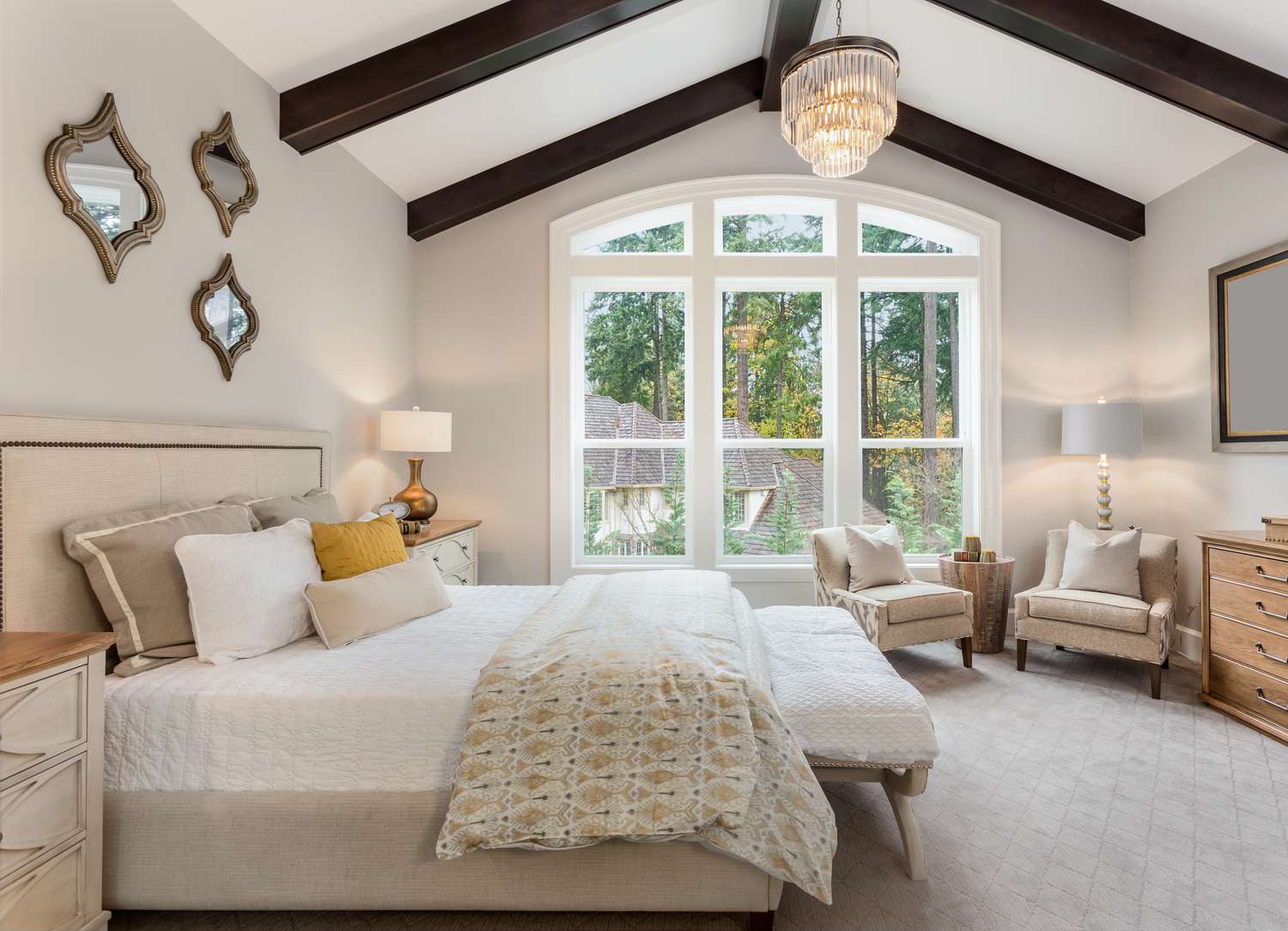
I've bought four mattresses in the last twelve years. Two of them were genuinely terrible decisions that I'm still a little embarrassed about. One I replaced after fourteen months. The other gave me lower back pain for almost a year before I finally admitted the problem wasn't my sleeping position — it was the mattress I'd cheaped out on.
We spend roughly one-third of our lives in bed. That number sounds like a cliché until you do the math: if you sleep eight hours a night, you'll log about 2,900 hours on your mattress this year alone. And yet most people spend more time researching a new laptop than they do their next mattress.
Something funny happens when you sleep in a good hotel room. The sheets feel crisp, the pillow cradles your neck just right, and you wake up with that rare, rested feeling you've almost forgotten was possible. It's not magic. Luxury hotels invest heavily in their sleep setup — from the mattress grade to the room ambiance, lighting, and bedding — because they know sleep comfort is the whole experience. The good news? You can recreate that at home. But first, you have to stop making these five mistakes.
Why Choosing the Right Mattress Matters More Than You Think
Most people don't connect their daytime fatigue, afternoon brain fog, or chronic back stiffness to their mattress. They blame stress, screen time, or age. But in my experience, the mattress is one of the first things worth interrogating when your sleep goes sideways.
Poor Mattress Choice Can Lead to Serious Sleep Problems
A mattress that doesn't support your body properly does quiet damage over time:
- Back and neck pain — misaligned spinal posture during sleep strains muscles and discs
- Disrupted sleep cycles — discomfort causes micro-arousals you won't even remember
- Morning stiffness — especially common with mattresses that have sagged or lost their support layers
- Chronic fatigue — poor sleep quality compounds quickly, affecting mood, focus, and immunity
Why Hotel Rooms Often Feel More Comfortable Than Your Own Bed
Ever checked into a mid-range hotel and slept like a log, then come home and felt like you were sleeping on a slab? You're not imagining it. Hospitality standards in the hotel industry require consistent sleep quality across all guest rooms — which means hotel procurement teams are actually rigorous about mattress selection in ways most individual buyers never bother to be.
Luxury hotels typically invest in:
- High-density hybrid or pocket-spring mattresses with multiple comfort layers
- Specially selected bedding with specific thread counts and breathability
- Carefully designed room decoration that promotes calm: neutral tones, minimal clutter, soft lighting
- Hotel amenities like blackout curtains, climate control, and sound dampening — all of which work with the mattress to create an optimized sleep environment
The interior design of a hotel room isn't just aesthetics. It's functional. The room ambiance — the lighting temperature, the color palette, the absence of visual clutter — is engineered to help you relax. Your bedroom can do the same thing.
The Psychology of Sleep Comfort
Sleep research is clear: the environment around you affects sleep quality as much as what you're sleeping on. Mattress comfort, room decoration, lighting, and even room temperature interact as a system. A great mattress in a badly lit, cluttered, overheated room will still underperform. That's why the five mistakes below cover both the mattress itself and the environment it lives in.
Quick Mattress Buying Checklist (Before We Cover the Mistakes)
Before diving into the mistakes, here's the shortlist I use every time I evaluate a mattress. Hotels use similar criteria for guest room selection — and for good reason.
| Factor | Why It Matters | What to Check |
|---|---|---|
| Firmness | Spine alignment during sleep | Side vs back vs stomach sleeper needs |
| Materials | Durability, support, and feel | Memory foam, latex, hybrid, innerspring |
| Cooling | Temperature regulation overnight | Breathable covers, gel layers, airflow channels |
| Motion Isolation | Prevents partner disturbance | Memory foam tends to excel here |
| Edge Support | Usable sleep surface size | Sit on the edge — does it collapse? |
| Trial Period | Risk-free in-home testing | Look for 90 days minimum |
| Warranty | Long-term investment protection | 10+ year coverage, sagging defined clearly |
Choosing a Mattress Based Only on Price
This was my first major mistake. I was 26, furnishing my first apartment on a tight budget, and I bought the cheapest queen-size mattress I could find at a big box store. It cost me about $180 and lasted fourteen months before the center started sagging noticeably. By the end, I was essentially sleeping in a valley.
The Hidden Cost of Cheap Mattresses
A cheap mattress isn't a bargain — it's a delayed expense with added pain. Here's what typically goes wrong:
- Premature sagging — budget foam has lower density and breaks down within 1–2 years
- Poor edge support — you lose usable sleeping area quickly
- No meaningful warranty — fine print often excludes the failures that actually occur
- Compounding health costs — back and neck issues from poor support add up
I tested this myself in the worst possible way: replacing a $180 mattress after fourteen months, then buying a $650 hybrid that I've now had for nearly six years with zero issues. The math is obvious in hindsight.
Why Luxury Hotels Don't Compromise on Mattress Quality
Hotel procurement managers in the hospitality industry evaluate mattresses on total cost of ownership — not just upfront price. A premium mattress that lasts eight years, maintains consistent comfort, and reduces guest complaints is far cheaper than replacing low-cost mattresses every two to three years. The guest experience depends on it.
That's the mindset shift worth bringing to your own purchase. You're not buying a mattress for one year. You're investing in six to ten years of sleep.
Smart Budget Strategy Instead
- Set a realistic budget range — for most people, $500–$1,200 for a queen hits the sweet spot of durability and comfort
- Look for value, not the lowest price — compare density specs, not just firmness ratings
- Check warranty language carefully — what actually counts as a defect?
- Read verified purchase reviews, not curated testimonials
- Watch for sales events — Memorial Day, Black Friday, and Labor Day often bring 20–40% off premium brands
Ignoring Your Sleeping Position
What most people get wrong is treating mattress firmness like a personal preference rather than a biomechanical requirement. Your sleeping position determines what your spine needs from a mattress — and getting it wrong is a direct path to chronic discomfort.
Different Sleeping Positions Need Different Support
Here's how it breaks down:
- Side sleepers need pressure relief at the shoulder and hip. Too firm, and those contact points ache. Medium-soft to medium is typically ideal.
- Back sleepers need lumbar support that follows the natural curve of the spine without pushing it out of alignment. Medium to medium-firm works well here.
- Stomach sleepers need a firmer surface to prevent the hips from sinking, which would put the lower back in an arched, strained position all night.
- Combination sleepers — people who change position throughout the night — often do best with a medium hybrid that's responsive enough to move with them.
| Sleeping Position | Ideal Firmness | Best Mattress Type |
|---|---|---|
| Side sleeper | Medium soft (4–5/10) | Memory foam or soft hybrid |
| Back sleeper | Medium firm (5–7/10) | Hybrid or latex |
| Stomach sleeper | Firm (7–8/10) | Latex or firm hybrid |
| Combination sleeper | Medium (5–6/10) | Responsive hybrid |
How Luxury Hotels Solve the Multi-Sleeper Problem
Hotels face an interesting version of this challenge: they can't know whether their guests are side sleepers or back sleepers. So what do they do? Most high-end hotel chains standardize on medium-firm hybrid mattresses — the position that satisfies the broadest range of sleepers. That's a useful data point if you're buying for a shared bed with a partner whose sleeping position differs from yours.
In my experience, when couples disagree on firmness, a medium-firm hybrid with a slightly plush pillow top is usually the best compromise. It also tends to age better than pure memory foam.
Not Testing the Mattress Before Buying
I know, I know — online mattress shopping is convenient. The box arrives at your door, you unroll it, and there's your new bed. And plenty of those brands are genuinely good. But skipping the testing phase entirely is a real mistake, whether you're buying in a store or online.
Why Five Minutes in a Showroom Isn't Enough
Here's something most sales staff won't tell you: your body takes 15–30 minutes to fully relax into a mattress. In a showroom, you spend maybe two minutes lying awkwardly in your clothes while someone hovers nearby. That's not a real test. The mattress also behaves differently at home — different ambient temperature, different base, different body chemistry after eight hours.
Showroom testing is still useful for getting a general sense of firmness and initial feel, but it should never be your only evaluation method.
How Hotels Test Bedding for Guest Comfort
Hospitality brands actually run sleep trials and collect guest satisfaction data before standardizing on a mattress model. Some chains survey guests specifically about sleep quality as part of post-stay feedback. They iterate based on real-world results — not just lab specs. That rigor is worth copying.
The Smart Way to Test Any Mattress
- In a showroom: lie in your actual sleeping position for at least 10–15 minutes — not just flat on your back
- Test edge support: sit on the edge and feel how much it gives
- For online purchases: read reviews specifically from people with your sleeping position and body weight
- Use the sleep trial seriously — don't just swap boxes on day 89. Actually sleep on it for 4–6 weeks before deciding
- Check motion transfer if you share a bed: have someone roll over while you're on the other side
Forgetting About Room Environment and Bed Setup
This is the sleeper mistake — pun intended. People blame a mediocre mattress when the room around it is actively sabotaging their sleep. I've seen people buy a genuinely excellent mattress and still sleep badly because their bedroom was too bright, too warm, or decorated in a way that kept them mentally activated at night.
How Room Decoration Affects Sleep Quality
Sleep psychology research consistently points to environment as a major sleep quality variable. Your room sends signals to your nervous system:
- Lighting — blue-tinted or bright overhead lights suppress melatonin. Warm, dim lighting in the hour before bed genuinely improves sleep onset
- Color — high-saturation, stimulating colors (bright reds, oranges, busy patterns) tend to increase mental activation. Soft neutrals, muted greens, and cool blues have the opposite effect
- Clutter — visual disorder creates low-level cognitive load. A messy bedroom is psychologically harder to relax in, even if you don't consciously notice it
- Bedding quality — thread count matters less than fabric breathability. Natural fibers like cotton percale or linen outperform cheap polyester blends in almost every way
What Luxury Hotels Do to Improve the Sleep Environment
The interior design of a luxury hotel room is a masterclass in sleep-optimized room ambiance. Look closely next time you check in:
- Blackout curtains — not just "room darkening" sheers, but proper total-blackout liners
- Soundproofing — solid-core doors, carpeted floors, and sometimes acoustic panels in the walls
- Temperature control — HVAC systems that run quietly and allow per-room adjustment
- Pillow menus — some luxury hotel brands offer different pillow firmness options, which is a genuinely smart touch for personalized service
- Minimal visual clutter — hotel room decoration tends toward calm, carefully curated hotel amenities rather than sensory overload
You don't need a renovation budget to recreate this. Small changes make a measurable difference.
Bedroom Improvements That Cost Almost Nothing
- Swap bright overhead bulbs for warm 2700K bulbs or bedside lamps with dimmers
- Add blackout curtains — around $30–$60 for a standard window
- Remove non-sleep items from the bedroom (work desk, TV if possible)
- Keep the room 65–68°F / 18–20°C if you can — this is consistently cited as the optimal range for sleep
- Upgrade your pillowcases to cotton percale or linen — you'll notice immediately
Ignoring Warranty, Trial Period, and Return Policy
This one has bitten almost everyone I know. You find a mattress you love in the store, it arrives, and three weeks later you hate it. But the return window was 30 days, and you didn't quite get around to trying it properly. Now you're stuck.
Or the opposite: the mattress develops a visible sag at 18 months, you pull out the warranty, and discover that "sagging" is only covered if it measures more than 1.5 inches — and yours is at 1.25 inches. Technically not covered.
Why Sleep Trials Actually Matter
Your body needs 30–60 days to fully adapt to a new sleep surface. The first week on any new mattress is a poor indicator of long-term comfort. If a brand only offers a 30-day trial, they're essentially making it structurally difficult for you to make a fair judgment. Look for 90 days minimum — ideally 100 to 120.
What to Look for in a Mattress Warranty
- Duration — 10 years is the baseline; some premium brands offer 15–25 years
- Sagging threshold — this is critical. 1.5 inches is common, but 1 inch is better. Anything above 1.5 inches means the mattress will fail before the warranty covers it
- What's excluded — many warranties void if you use the wrong base, don't use a mattress protector, or if you remove the law tag
- Prorated vs non-prorated — prorated warranties shift increasing costs to you over time. Non-prorated is better
Hospitality Industry Standards for Mattress Longevity
Hotel chains replace mattresses on a fixed cycle — typically every 5–8 years regardless of visible condition — because consistent guest experience requires consistent mattress performance. They also track mattress complaints by room number, which is a level of quality control most individuals never apply. The lesson: treat your mattress replacement as a planned investment, not a reactive one.
Comparison: Cheap Mattress vs Premium Mattress
Still on the fence about whether a higher investment is worth it? Here's the honest breakdown:
| Feature | Budget Mattress (<$400) | Premium Mattress ($600–$1,400) |
|---|---|---|
| Expected lifespan | 2–4 years | 8–12 years |
| Foam density / support layers | Low-density base foam | Multi-layer zoned support |
| Temperature regulation | Poor — traps heat | Cooling gel, phase-change covers, airflow channels |
| Edge support | Weak, compresses quickly | Reinforced perimeter foam or coil edge |
| Motion isolation | Inconsistent | Engineered (especially memory foam / hybrid) |
| Warranty coverage | 1–5 years, often prorated | 10–25 years, often non-prorated |
| Sleep trial | Rare or very short | 90–120 nights standard |
| Cost per year (est.) | $80–$150/yr | $60–$130/yr |
Pros and Cons of Buying a Mattress Online
Most people buy mattresses online now, and for the most part, it works well — if you know what to look for. Here's the honest assessment:
? Pros of Buying Online
- Much wider selection than any physical store
- Often 20–40% cheaper than showroom equivalents
- Generous sleep trial periods (90–120 nights)
- Hundreds of verified reviews to research
- Contactless delivery, often white-glove setup available
- Easy to compare specs side by side
? Cons of Buying Online
- You can't feel it before committing
- Returns can be logistically complicated
- Delivery time can be 1–3 weeks
- Spec sheets don't always translate to real-world feel
- Some brands game review systems
A practical tip: check whether the brand is used by any hotel chains or has hospitality partnerships. Brands that supply to the hospitality industry have gone through procurement vetting that filters out a lot of the lower-quality options.
How Hotels Choose the Perfect Mattress for Guest Rooms
I find this genuinely fascinating, and it's become my personal buying template. Hotel procurement teams evaluate mattresses on criteria that are just more rigorous than what most individuals apply.
Hospitality Mattress Selection Criteria
- Durability under high-rotation use — a hotel mattress may be used by hundreds of guests per year. It has to maintain comfort under far more use than a home mattress
- Universal comfort — it needs to satisfy the broadest range of body types and sleeping positions
- Hygiene — antimicrobial covers, easy-clean surfaces, and encasement compatibility are evaluated
- Long-term consistency — comfort in year five should be close to comfort in year one
The Role of Interior Design and Room Ambiance
What makes a hotel bed feel special isn't just the mattress — it's the complete sleep system. The hotel room decoration works in concert with the mattress: the bedding weight, the pillow loft, the room temperature, the light blocking, the absence of noise. When hotels design guest rooms, they're building a sleep environment, not just choosing furniture. That holistic thinking is exactly what most people skip when setting up their own bedroom.
Personalized Service Touches Worth Copying
- Multiple pillow options — keep both firm and soft pillows on hand
- A quality mattress topper — adds 2–3 years of life to an aging mattress and lets you adjust firmness
- A separate duvet for each person in a shared bed — solves the "blanket thief" problem permanently
Expert Tips to Choose the Perfect Mattress
Based on sleep research, hospitality standards, and several years of getting this both wrong and right, here are the tips that actually matter:
- Test for spinal alignment, not just comfort. Lie on your back. Can you slide your hand under the arch of your lower back? If there's a big gap, the mattress may be too firm for you. If your back is completely flat, it may be too soft.
- Match material to your temperature needs. If you sleep hot, memory foam is often a poor choice — it retains body heat. Look for latex, hybrid, or specifically gel-infused foam.
- Edge support matters more than you think. You effectively lose 20–30% of your sleeping surface on a mattress with poor edge support.
- Consider your partner's weight and position. Mattress performance varies by body weight — a 130-lb person and a 200-lb person will experience the same mattress completely differently.
- Your bedroom environment is part of your sleep system. Even a great mattress performs poorly in an overly lit, hot, noisy room. Treat the room decoration and ambiance as part of the investment.
Frequently Asked Questions
Most quality mattresses last 7–10 years, but performance often degrades after 6–8 years even without visible sagging. If you're waking up stiff, your sleep has noticeably worsened, or you notice significant impressions forming in the sleeping surface, it's time to evaluate. Hotels typically replace mattresses every 5–8 years on a proactive schedule — treating it as maintenance rather than emergency replacement is a smarter approach.
For most people with lower back pain, a medium-firm mattress (around 5–7 out of 10 on the firmness scale) performs best. Research published in sleep journals consistently finds that medium-firm surfaces outperform both very firm and very soft options for spinal comfort. However, sleeping position matters: side sleepers with back pain often do better with slightly softer surfaces that relieve hip and shoulder pressure. If your pain is significant, it's worth consulting a physiotherapist who can assess your specific needs.
Several factors combine to make hotel sleep feel better: premium mattress quality, high-thread-count bedding, blackout curtains, climate control, and a room designed with minimal visual clutter and calming room decoration. There's also a psychological factor — being away from the mental associations of home (work stress, screens, familiar worries) can itself improve sleep. But the physical environment — the mattress, bedding, and room ambiance — is a genuine contributor, not just placebo.
In general, yes — but only up to a point. The biggest quality jump happens between the sub-$400 range and the $600–$900 range. Above $1,500, you're mostly paying for brand prestige and premium materials that offer diminishing real-world returns for most sleepers. The sweet spot for most people is $650–$1,100 for a queen, prioritizing a brand with verified reviews, a clear warranty, and a genuine 90+ night trial period.
Yes — meaningfully. The connection between interior design and sleep psychology is well-documented. Color psychology shows that stimulating, high-saturation colors increase cognitive arousal — the opposite of what you want before bed. Clutter creates low-level visual stress. Poor lighting disrupts melatonin production. A bedroom designed with calm tones, controlled lighting, quality bedding, and minimal distraction genuinely outperforms a bedroom that hasn't had this kind of intentional attention — regardless of the mattress underneath you.
For couples with different firmness preferences, a medium-firm hybrid tends to be the best single-mattress compromise — it's the same logic luxury hotels use for maximum guest compatibility. Alternatively, some brands offer split-firmness options in king size, where each side can be a different feel. For motion isolation (not disturbing your partner), memory foam and hybrid with individually wrapped coils perform significantly better than traditional innerspring mattresses.
Typically 2–6 weeks for your body to fully adapt to a new sleep surface. The first few nights often feel strange — either too firm, too soft, or just different from what you're used to. Sleep quality may temporarily dip before it improves. This is normal and a key reason why 90-day trial periods exist. Don't make a return decision in the first two weeks if you can help it.
Final Thoughts: Sleep Like You Designed It That Way
The five mistakes above share a common thread: they're all versions of not taking the purchase seriously enough. Buying based on price alone, ignoring your sleeping position, skipping the real test, overlooking the room environment, and not reading the fine print on warranties and trials — each one is a shortcut that costs you later.
What I've learned after four mattress purchases (two bad, two good) is that the best sleep environments aren't accidents. They're built. Luxury hotels figured this out decades ago. The mattress, the bedding, the room decoration, the lighting, the temperature — it all works together as a system. When one element is badly wrong, the whole experience suffers.
You don't need a luxury hotel budget to sleep like you're in one. You need to stop treating your mattress as an afterthought, pick the right firmness for how you actually sleep, give the trial period a real chance, and spend twenty minutes making your bedroom less of a stimulating environment and more of a sleep sanctuary.
Start with the checklist at the top of this article. If you're replacing a mattress, use the comparison table to reset your budget expectations. And if the only thing you take from this piece is "give myself more than five minutes in a showroom and actually use the sleep trial window" — honestly, that alone will put you ahead of most mattress buyers.