Millions of people lie in bed every night staring at the ceiling, waiting for sleep to arrive. You feel tired. Your body wants rest. But your mind refuses to slow down.
In my experience, the strange part is that this problem often disappears when traveling. I’ve stayed in simple hotel rooms where I fell asleep in minutes — even after a stressful day.
That made me curious: why do people sleep better in hotel rooms than in their own bedrooms?
After researching sleep science, hospitality design, and interior design strategies used by luxury hotels, I realized something important:
Sleep is not only about being tired. It’s about environment, routine, and mental cues.
In this guide, you’ll learn:
- A simple 5-minute sleep method you can try tonight
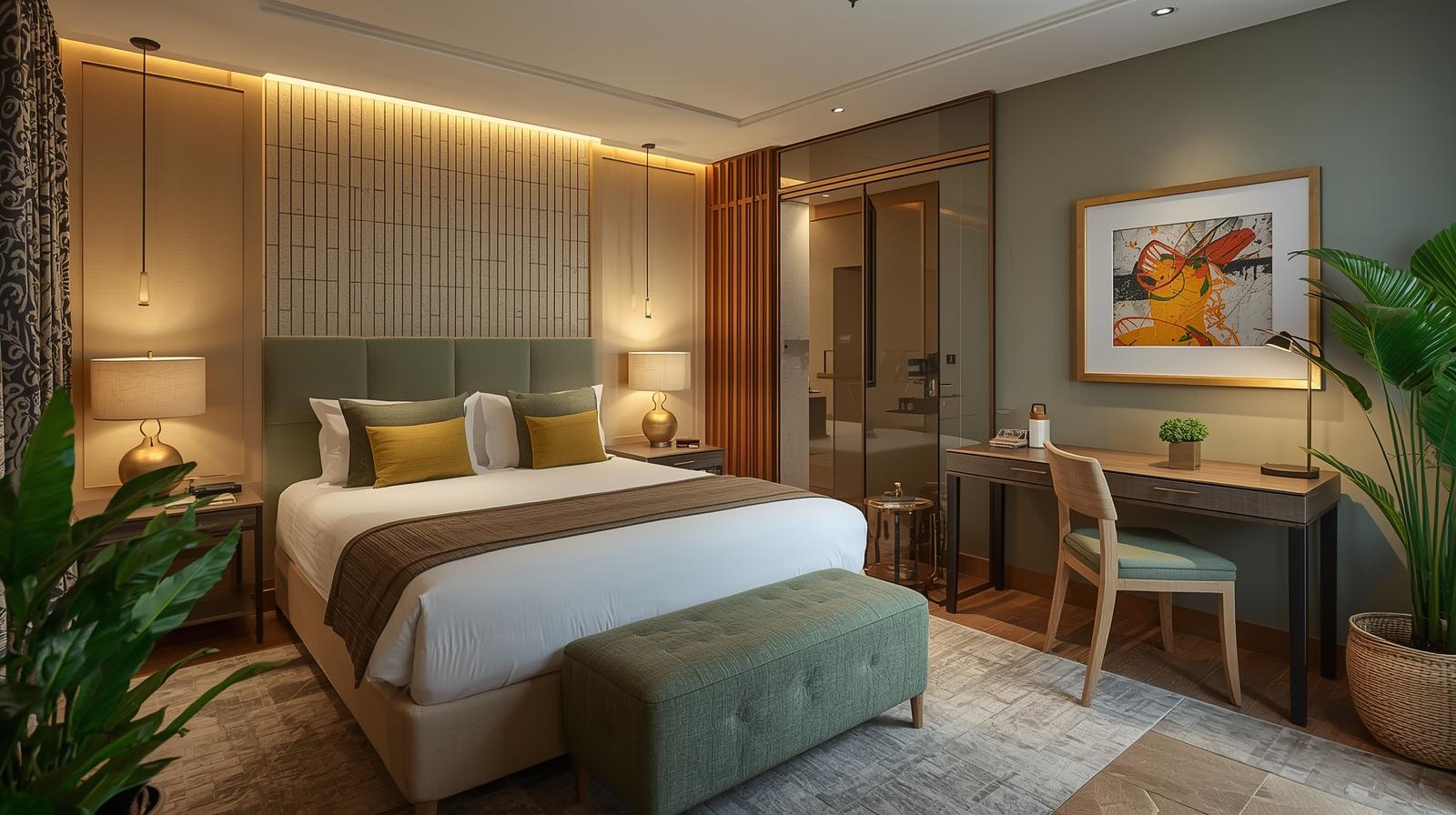
- How luxury hotel room design encourages deeper sleep
- Quick bedroom decoration tweaks that improve room ambiance
- Hospitality-inspired sleep routines that work surprisingly well
If you're interested in improving your sleep environment further, you may also enjoy our guide on hotel room decoration ideas and creating a relaxing bedroom ambiance.
Why Falling Asleep Quickly Is So Difficult Today
Modern life quietly sabotages sleep.
We spend hours staring at screens, dealing with stress, and sleeping in environments that aren't designed for rest. Even worse, most bedrooms today function as multi-purpose spaces — office, entertainment room, and sleeping area all combined.
What most people get wrong is thinking sleep problems are only mental. In reality, the sleep environment often matters more than the technique itself.
The Hidden Role of Room Ambiance in Sleep Quality
Your brain constantly scans the environment for signals telling it whether it's safe to relax.
These signals include:
- Lighting brightness
- Room temperature
- Noise levels
- Wall colors
- Scent
- Clutter levels
Interior design experts call this room ambiance. When these factors work together, your brain naturally prepares for sleep.
When they don’t — bright lights, cluttered decoration, phone notifications — your brain stays alert.
What Luxury Hotels Understand About Sleep That Most Homes Ignore
Luxury hotels invest heavily in sleep design because guest experience depends on it.
Hospitality experts carefully design hotel rooms with these principles:
- Blackout curtains to eliminate light pollution
- Minimal room decoration to reduce visual stress
- Neutral color palettes that calm the nervous system
- High-quality mattresses and bedding
- Subtle relaxing scents such as lavender
These small details create a sleep-friendly environment — one reason people often sleep better in luxury hotels.
The 5-Minute Sleep Method (Step-by-Step Routine)
I tested this routine during several work trips where I needed to fall asleep quickly. Surprisingly, it worked — especially in quiet hotel rooms designed for relaxation.
The method combines breathing, body relaxation, and environment adjustments.
Minute 1: Reset Your Breathing Pattern
Start by slowing your breathing using the 4-7-8 technique.
- Inhale for 4 seconds
- Hold for 7 seconds
- Exhale slowly for 8 seconds
This activates the parasympathetic nervous system — the body’s relaxation mode.
In my experience, breathing alone can reduce racing thoughts within about a minute.
Minute 2: Relax the Body Using the “Military Sleep Trick”
This technique was reportedly developed to help soldiers fall asleep in stressful environments.
Relax your body step by step:
- Relax your face muscles
- Drop your shoulders
- Release tension in arms
- Relax legs and feet
Imagine your body sinking into the mattress.
Minute 3: Clear Mental Noise With Visualization
This step is surprisingly powerful.
Imagine a quiet luxury hotel room — soft lighting, calm colors, comfortable bedding.
Visualization works because the brain responds to imagined environments similarly to real ones.
Minute 4: Adjust Your Sleep Environment
Take 30 seconds to improve your sleep space.
- Dim or turn off lights
- Lower room temperature slightly
- Move your phone away from the bed
Small adjustments dramatically improve sleep signals.
Minute 5: Anchor the Mind With a Sleep Trigger
Luxury hotels often use subtle triggers to help guests relax.
You can create your own:
- Lavender essential oil
- White noise machine
- Soft bedside lamp
- Consistent bedtime routine
Over time, your brain associates these signals with sleep.
How Hotel Room Design Helps Guests Fall Asleep Faster
Hotel Room Decoration Designed for Relaxation
Hotel room decoration tends to be minimal for a reason.
Too many objects stimulate the brain and prevent relaxation.
Luxury hotels prefer:
- simple artwork
- soft textiles
- neutral walls
- clean furniture layouts
Interior Design Elements That Promote Sleep
Interior designers often recommend these sleep-friendly features:
- soft textures and fabrics
- symmetrical furniture arrangement
- warm lighting
- earth tone color palettes
These design choices create psychological comfort.
The Role of Hotel Amenities in Sleep Comfort
Hospitality brands invest heavily in sleep-focused amenities.
- premium mattresses
- soundproof windows
- climate control
- high thread-count bedding
These details significantly improve sleep quality.
Quick Bedroom Changes That Mimic a Luxury Hotel Experience
Lighting Adjustments That Improve Room Ambiance
- replace bright bulbs with warm lighting
- use bedside lamps instead of overhead lights
- install dimmers if possible
Lighting is one of the fastest ways to transform sleep ambiance.
Small Room Decoration Tweaks That Calm the Brain
- remove clutter from bedside tables
- choose calming wall colors
- use soft bedding materials
- limit excessive decor
In my experience, decluttering alone improved sleep noticeably.
Hospitality-Inspired Personalized Service for Your Bedroom
Luxury hotels use a turndown service to prepare rooms for sleep.
You can replicate this:
- dim lights
- prepare bedding
- play calming audio
- spray relaxing scent
Comparison: Home Bedroom vs Luxury Hotel Sleep Environment
| Feature | Typical Home Bedroom | Luxury Hotel Room | Sleep Impact |
|---|---|---|---|
| Lighting | Bright overhead lights | Soft layered lighting | Faster relaxation |
| Bedding | Standard mattress | Premium mattress | Better comfort |
| Noise | Street noise | Soundproof walls | Deeper sleep |
| Room Decoration | Cluttered space | Minimal design | Calm mind |
Pros and Cons of the 5-Minute Sleep Method
Pros
- Fast and easy to apply
- No medication needed
- Works during travel
- Improves mental relaxation
Cons
- Requires practice
- Environment still matters
- Severe insomnia requires professional help
Mistakes That Prevent You From Falling Asleep Quickly
Keeping Bright Lights On
Bright light suppresses melatonin — the hormone responsible for sleep.
Using Your Phone in Bed
Blue light from screens delays sleep cycles.
Poor Room Decoration and Clutter
Clutter increases cognitive stress.
I personally noticed worse sleep when my room was messy or overly decorated.
How Hospitality Experts Design Guest Rooms for Better Sleep
Guest Experience Strategy in Luxury Hotels
Hotels understand that sleep determines guest satisfaction.
The Psychology Behind Hotel Room Ambiance
Color psychology, scent marketing, and lighting design all influence relaxation.
Personalized Service That Improves Sleep
- pillow menus
- sleep kits
- aromatherapy
Simple Night Routine You Can Start Tonight
5-Minute Bedtime Preparation Routine
- dim lights
- adjust temperature
- turn off screens
- practice breathing
- relax muscles
Create Your Own Hotel-Style Sleep Environment
Combine lighting, decoration, and calming routines to create a sleep-friendly bedroom.
Expert Tips for Improving Sleep in Any Room
- keep temperature between 60-67°F
- invest in a good mattress
- use calming scents
- reduce room clutter
Frequently Asked Questions
Can you really fall asleep in 5 minutes?
Yes, many people can with proper relaxation techniques and a good sleep environment.
Why do people sleep better in hotel rooms?
Because hotels optimize lighting, noise, bedding, and ambiance.
Does room decoration affect sleep?
Yes. Cluttered or overly stimulating environments increase mental alertness.
What colors improve sleep?
Soft neutral tones such as beige, grey, and light blue promote relaxation.
Do luxury hotels use special sleep techniques?
Yes. Hospitality designers carefully control lighting, scent, and comfort elements.
Is breathing really helpful for sleep?
Yes. Slow breathing activates the body's relaxation response.
What is the best bedroom temperature for sleep?
Most sleep experts recommend around 18-19°C (64-67°F).
Final Thoughts: Turn Your Bedroom Into a Sleep-Friendly Hotel Room
Better sleep rarely comes from one single trick.
It comes from combining:
- a relaxing routine
- a comfortable mattress
- a calm sleep environment
- good room design
Luxury hotels understand this well — and that’s why guests often sleep better there.
The good news is that you don’t need a five-star resort to create that experience.
With small changes in lighting, room decoration, and nightly routine, you can transform your bedroom into a place where sleep happens naturally.
And sometimes, that transformation really can start in just five minutes.